Laboratory Testing for Indonesian Kratom: Alkaloids, Heavy Metals, and Microbial Safety

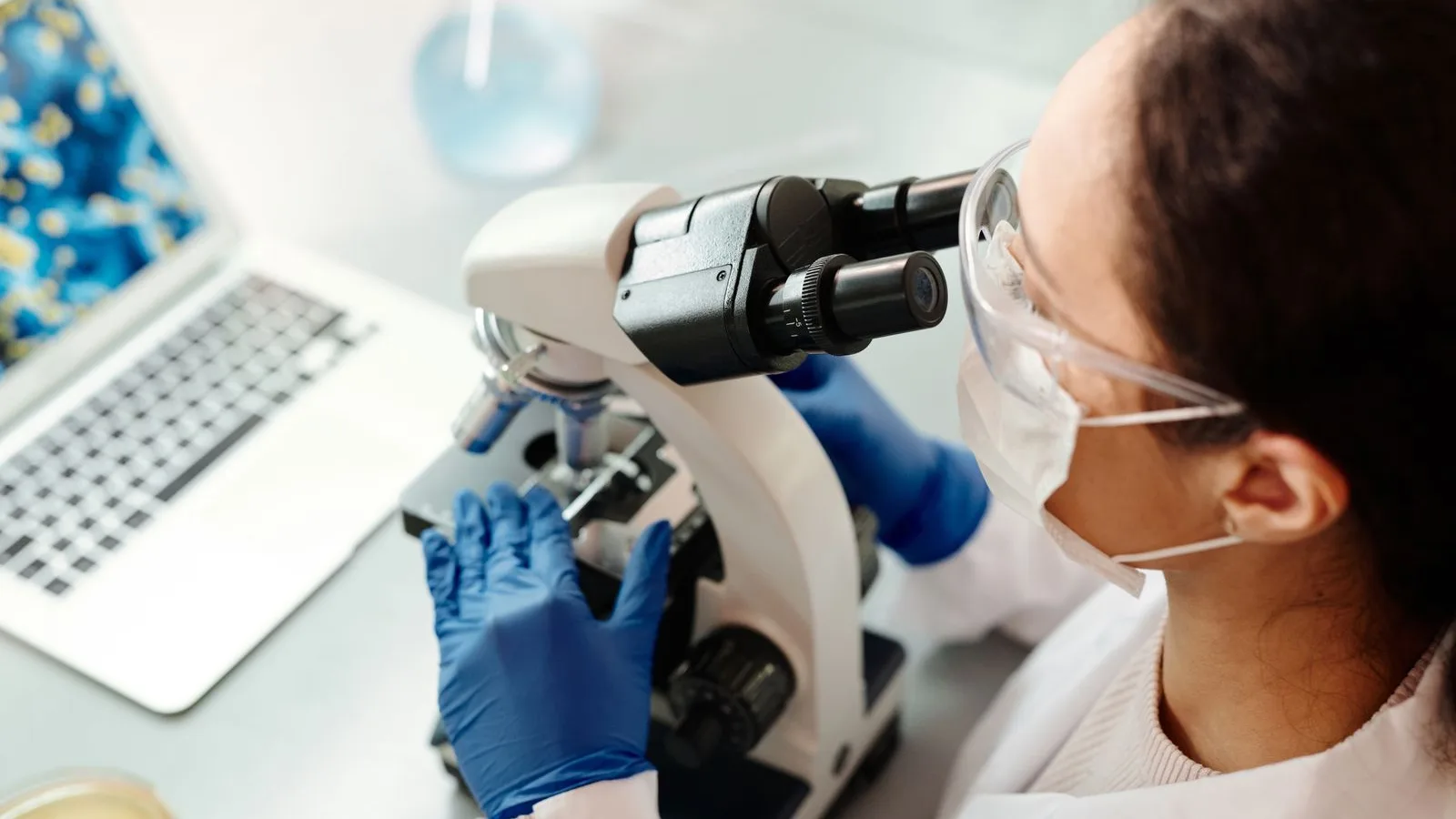
Laboratory testing for Indonesian kratom is crucial for ensuring quality and safety, especially when exported to Europe. Standard tests include alkaloid profiling, heavy metal screening, and microbiological assessments.

The scent of fresh kratom leaves fills the air as Indonesian farmers harvest their prized plants, a vital commodity that flows from lush fields to international markets, particularly in Europe.

Which lab tests are standard for kratom exported from Indonesia to Europe?

For kratom exported from Indonesia to Europe, several lab tests are considered standard to ensure the product meets regulatory requirements and consumer safety. These tests typically include alkaloid content analysis, heavy metal detection, and microbiological testing. The European Union has specific regulations regarding these aspects, which are critical for importers looking to maintain compliance.

Alkaloid testing focuses mainly on key compounds such as mitragynine and 7-hydroxymitragynine, which are responsible for kratom’s effects. Heavy metal testing is critical, as contamination can occur from soil and water sources. Microbiological testing ensures that harmful pathogens are absent, providing a safe product for consumers.

How is mitragynine and 7-hydroxymitragynine content measured in kratom?

Mitragynine and 7-hydroxymitragynine content in kratom is typically measured using high-performance liquid chromatography (HPLC). This method allows for precise quantification of these alkaloids, enabling manufacturers to confirm the potency of their products. HPLC separates compounds in a sample, allowing for accurate measurement against known standards.

Most reputable labs will provide a certificate of analysis (COA) detailing the alkaloid content, usually expressed as a percentage. For instance, a high-quality kratom product might contain around 1-2% mitragynine and lower concentrations of 7-hydroxymitragynine. Depending on the supplier, the cost for such testing could range from USD 50 to USD 200 (IDR 700,000 to IDR 3,000,000), reflecting the complexity and precision of the analysis.

What are common heavy metal and microbial specifications requested by EU buyers?

EU buyers typically request stringent specifications for heavy metals and microbial contaminants in kratom products. Common heavy metals tested include lead, arsenic, cadmium, and mercury, with permissible limits generally set at 0.1 mg/kg for lead and 0.5 mg/kg for arsenic. These limits reflect the EU’s commitment to consumer safety and public health.

Microbiological specifications generally include tests for pathogens such as E. coli, Salmonella, and yeast and mold counts. Most EU standards require that kratom products be free from pathogenic bacteria, ensuring that they are safe for consumption. Importers often seek COAs that confirm compliance with these specifications, thus safeguarding their reputation in the marketplace.

How can importers verify the reliability of kratom lab certificates of analysis?

Importers can verify the reliability of kratom lab certificates of analysis (COA) by following a few essential steps. First, they should check if the testing laboratory is accredited by recognized organizations, such as ISO (International Organization for Standardization). Accreditation ensures that the lab meets specific standards of quality and reliability.

Second, importers can contact the lab directly to confirm the authenticity of the COA. Many laboratories maintain records and can verify results for a given batch of product. Lastly, comparing COA results with industry standards or previous tests can help importers gauge whether the product meets their expectations. Reliable COAs typically include detailed information on the testing methods used, the specific laboratory equipment, and the personnel involved in the analysis.

Understanding COA requirements for kratom in Europe

The certificate of analysis (COA) is a crucial document for kratom exporters aiming to penetrate the European market. It serves as proof that the product has undergone rigorous testing for quality and safety. In Europe, COA requirements include detailed information on alkaloid content, heavy metal limits, and microbiological testing outcomes.

Specifically, a comprehensive COA should list the concentration of mitragynine and 7-hydroxymitragynine, along with the results of heavy metal testing and microbial safety assessments. Additionally, the COA should clearly state the testing methods used and the accreditation status of the laboratory conducting the tests. This information is critical for importers seeking to ensure compliance with EU regulations.

The importance of lab testing for kratom quality assurance

Lab testing plays an essential role in ensuring the quality of kratom products. For exporters like Bali Kratom Export, adherence to stringent lab testing standards is not merely a regulatory requirement but a commitment to consumer safety and product integrity. Regular testing helps identify potential contaminants and verifies that products meet the specified alkaloid profiles.

By investing in comprehensive lab testing, kratom exporters can differentiate themselves in a competitive market, particularly in Europe, where safety and quality are paramount. Failure to comply with testing standards can result in product recalls, financial losses, and damage to brand reputation. Therefore, understanding and complying with these testing requirements is vital for success in the international kratom market.

For further information on kratom standards and testing, you can visit [Wikipedia’s page on Kratom](https://en.wikipedia.org/wiki/Kratom) or check out the [Indonesian Travel website](https://indonesia.travel) for insights into the country’s agricultural practices.

For more details on kratom and its quality standards, visit our [homepage](/) or check our [guide on kratom sourcing](/kratom-sourcing-guide).

For inquiries, contact the team for more information.

💬