About Bali Kratom Export

Bali Kratom Export specializes in the export of high-quality kratom (Mitragyna speciosa) from Indonesia to the European market. Our commitment includes:
– Compliance with Indonesian export regulations.
– Sustainable sourcing from West Kalimantan.
– Adherence to EU novel-food guidelines and GMP standards.

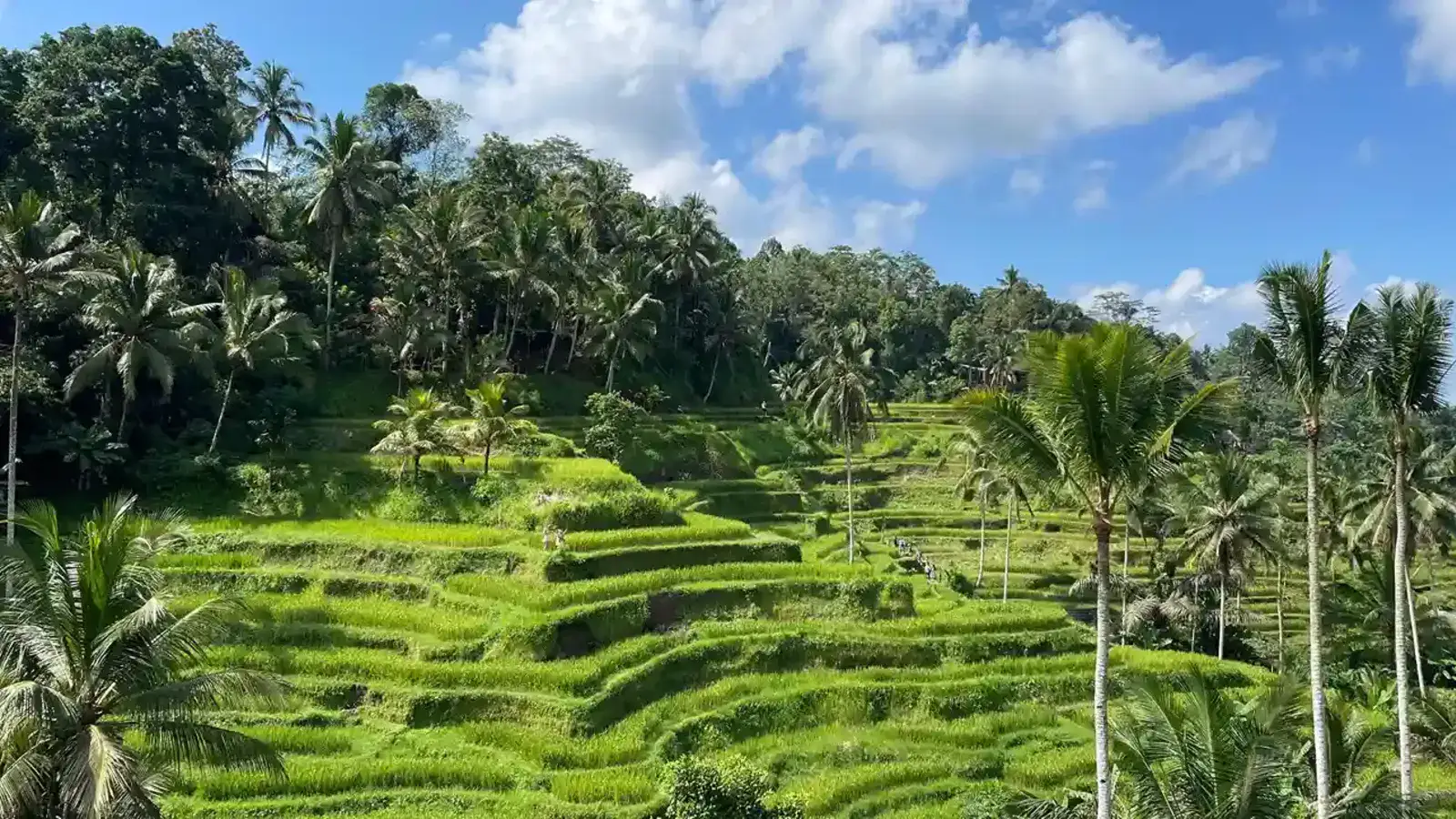
The aroma of fresh kratom leaves fills the air as the sun rises over Bali. With a rich history rooted in traditional use, kratom has gained significant attention in international markets. Bali Kratom Export stands at the forefront of this evolving industry, delivering quality and compliance to European B2B buyers.

Our Founder’s Story

Bali Kratom Export was founded in 2020 by a team of industry veterans and local farmers passionate about sharing Indonesia’s natural resources with the world. The founder, a former agricultural scientist, recognized the growing global interest in kratom and aimed to bridge the gap between local producers and international markets. This initiative not only supports local economies but also promotes sustainable agricultural practices.

Mission and Vision

Our mission is to facilitate the export of premium-quality kratom while ensuring compliance with both Indonesian regulations and European Union standards. We envision a transparent supply chain where every stakeholder, from farmers to importers, benefits equitably. Our commitment to sustainability drives our sourcing practices, prioritizing environmentally friendly methods and supporting local communities in West Kalimantan.

Team Credentials and Expertise

Our team comprises experts in agriculture, trade compliance, and logistics. With over 15 years of combined experience in the export industry, we understand the complexities of navigating international trade regulations. Our agricultural specialists oversee quality control, ensuring that our kratom meets stringent standards for alkaloid content and safety. Collaborations with accredited laboratories for heavy-metal and microbiological testing further enhance our commitment to quality.

Indonesian Export Regulations

Understanding Indonesian export regulations is crucial for B2B buyers. The government of Indonesia has established specific guidelines governing the export of kratom, focusing on quality assurance and environmental sustainability. As of 2023, exporters must comply with the Ministry of Trade’s regulations, which include obtaining export licenses and adhering to quality standards set by the National Agency of Drug and Food Control (BPOM). The evolving regulatory landscape, particularly from 2024 to 2026, will likely emphasize stricter compliance measures and enhanced traceability.

EU Novel-Food and Legality Landscape

The European Union’s stance on kratom is complex and varies by member state. As of late 2023, kratom is classified under the EU novel-food regulation, requiring rigorous safety assessments before it can be marketed. B2B buyers must stay informed about individual member-state regulations, as some countries have imposed bans or restrictions on kratom imports. Continuous monitoring of these developments is essential for compliance and market entry strategies.

GMP Processing and Quality Assurance

Good Manufacturing Practices (GMP) are critical for ensuring the safety and quality of kratom products. Our processing facilities are GMP-certified, adhering to international standards that minimize contamination risks and ensure product consistency. Regular audits and inspections by third-party organizations guarantee that our operations meet both Indonesian and EU quality requirements. This commitment to quality is reflected in our lab testing processes, where samples undergo rigorous analysis for alkaloids, heavy metals, and microbial contaminants.

Sustainable Sourcing from West Kalimantan

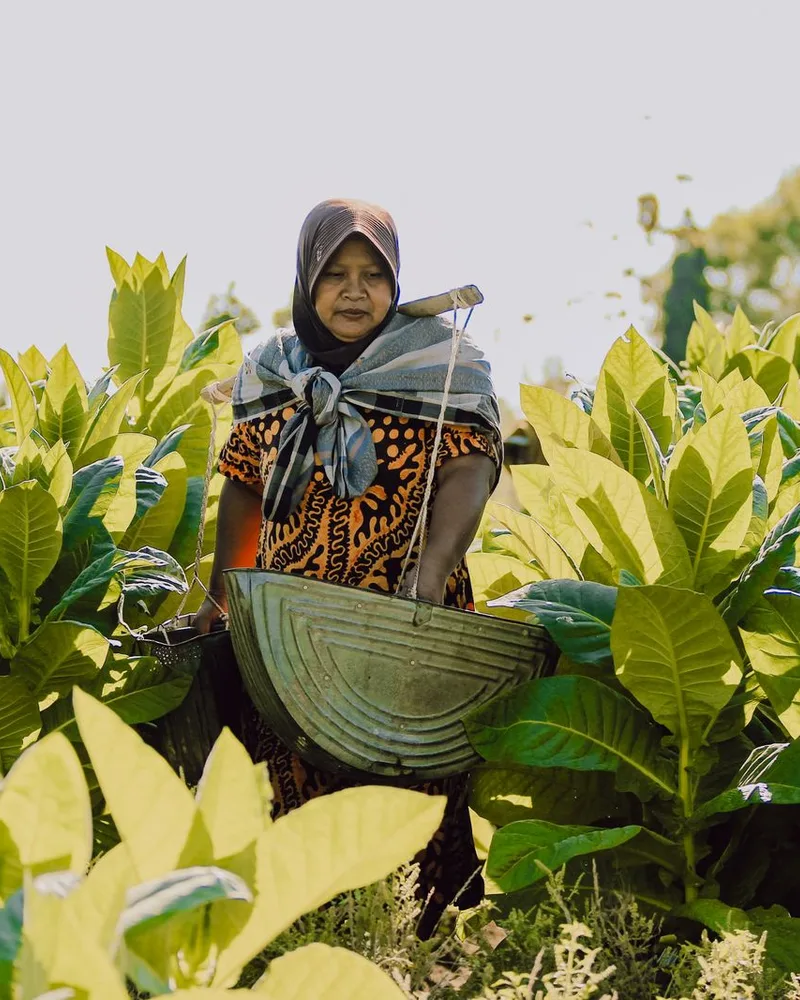
Sustainability is a core value at Bali Kratom Export. Our kratom is sourced from West Kalimantan, an area known for its rich biodiversity and traditional farming practices. We collaborate with local farmers who employ sustainable harvesting methods, ensuring that kratom trees are not overexploited. By supporting these practices, we contribute to the preservation of natural habitats and the livelihoods of local communities. Our goal is to create a sustainable supply chain that prioritizes environmental health and social responsibility.

Logistics and Compliance Documentation

Efficient logistics are vital for the timely delivery of kratom to European markets. Our logistics team specializes in navigating the complexities of international shipping, ensuring that all shipments comply with Incoterms and international trade regulations. We provide comprehensive compliance documentation, including phytosanitary certificates and export licenses, to facilitate smooth customs clearance. Our strategic partnerships with freight forwarders further enhance our ability to deliver high-quality kratom efficiently and reliably.

Closing Thoughts

As the kratom export industry evolves, Bali Kratom Export remains committed to quality, compliance, and sustainability. Our expertise and dedication position us as a reliable partner for European B2B buyers seeking high-quality kratom. For more information on our products and practices, visit our homepage or explore our insights on the kratom industry in our blog.

Understanding the kratom export landscape

The kratom export landscape is rapidly evolving, influenced by both regulatory changes and shifting market demands. As of 2023, the European kratom market has seen a significant uptick in interest, with estimates indicating a 30% growth in demand over the past two years. This surge is driven by a combination of increasing awareness of kratom’s traditional uses and its potential applications in various sectors. However, navigating the complexities of export regulations remains a critical aspect for businesses looking to enter this market.

Indonesian export regulations are stringent, requiring comprehensive documentation to ensure compliance with both local and international standards. Exporters must familiarize themselves with the Indonesian Ministry of Trade guidelines, which outline everything from packaging requirements to labeling protocols. As the EU refines its novel-food framework, which is expected to be fully implemented by 2026, understanding these regulations becomes even more crucial for B2B buyers seeking to source kratom responsibly and legally.

Quality assurance through GMP and lab testing

Quality assurance is paramount in the kratom export industry, especially when catering to a discerning European market. Good Manufacturing Practices (GMP) serve as the gold standard for ensuring that kratom products meet safety and quality benchmarks. Companies engaged in bali kratom export must implement rigorous quality control measures, including detailed lab testing for alkaloids, heavy metals, and microbial contamination. For instance, reputable exporters routinely conduct tests that comply with ISO 17025 standards, providing buyers with transparent quality assurance documentation.

The alkaloid profile of kratom is a focal point for quality assessment, with key compounds such as mitragynine and 7-hydroxymitragynine being closely monitored. These alkaloids contribute to the unique properties of kratom, and their concentration levels can significantly impact product quality. Heavy metal testing is equally essential, as it identifies potential contaminants that could compromise product safety. By adhering to GMP and investing in state-of-the-art testing facilities, bali kratom export companies can ensure they deliver only the best to their European partners.

Sustainable sourcing from West Kalimantan

Sustainable sourcing practices are becoming increasingly vital in the kratom export industry, particularly as consumers and businesses alike demand ethically produced products. Bali Kratom Export prioritizes responsible sourcing from West Kalimantan, an area known for its rich biodiversity and traditional farming techniques. The region’s unique climate and soil conditions contribute to the production of high-quality kratom, while local farmers benefit from fair trade practices that empower them economically.

In 2024, the Indonesian government is set to introduce new sustainability initiatives aimed at protecting its natural resources and promoting eco-friendly agricultural practices. These initiatives will not only enhance the quality of kratom exports but also help preserve the delicate ecosystems of West Kalimantan. By engaging in sustainable sourcing, bali kratom export companies can position themselves as leaders in the market, aligning their operations with global sustainability goals while meeting the demands of eco-conscious European buyers.

💬