Informational trade publication · B2B only All figures indicative, as of 2026

Informational trade publication — no medical claims, no consumer sales

Blog Hub 1

Best Time for Bali Kratom Export – Insider Guide

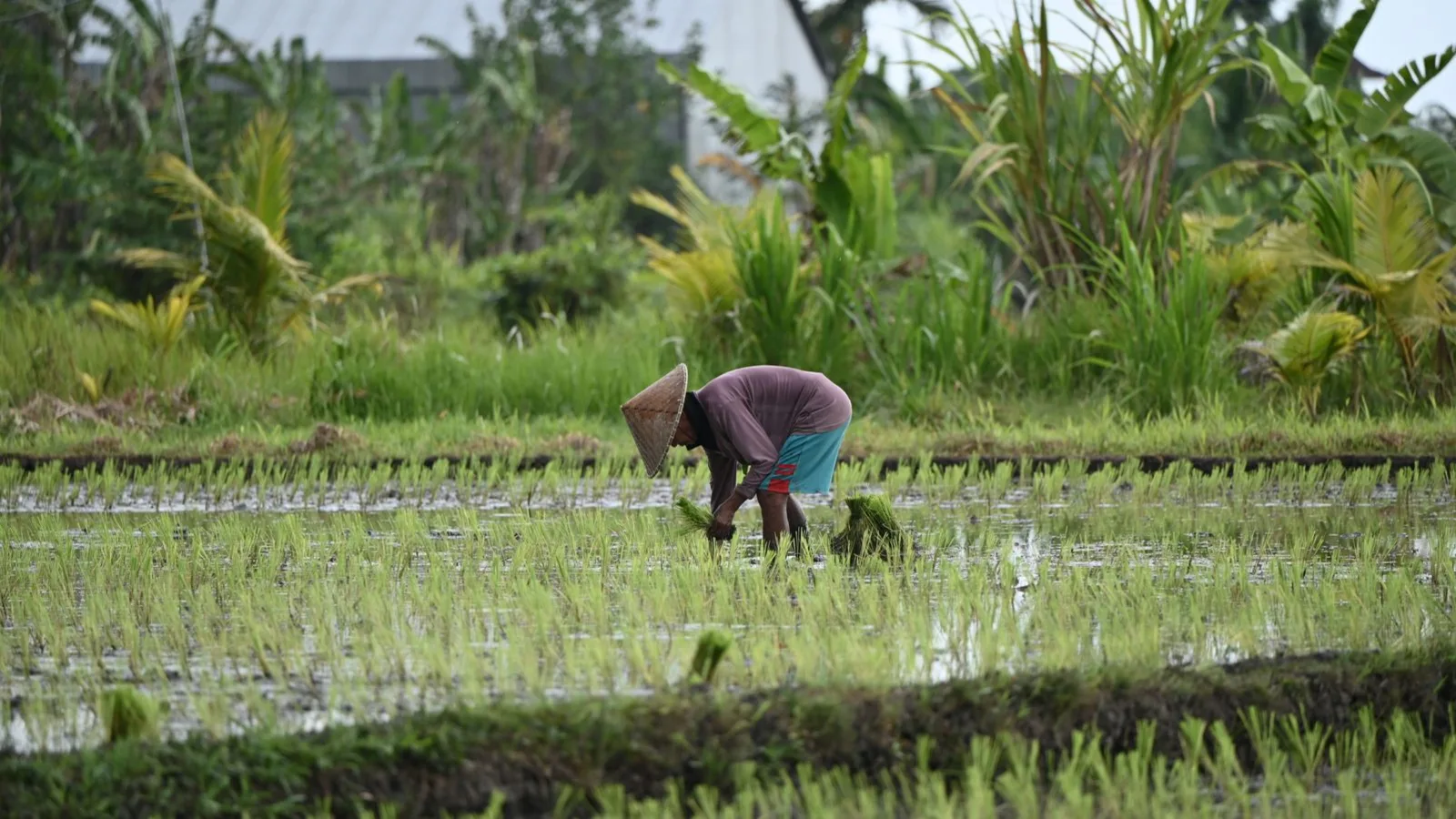
The aroma of moist earth and verdant foliage hangs in the air as the monsoon season begins in Bali, transforming the landscape while presenting opportunities

2026 Figures indicative, as of
B2B Wholesale buyers only
COA Every batch, accredited lab
WhatsApp Fastest route to the desk

Short answer

The aroma of moist earth and verdant foliage hangs in the air as the monsoon season begins in Bali, transforming the landscape while presenting opportunities and challenges for kratom exporters. Understanding the timing and seasonality of Bali kratom export is crucial for European B2B buyers seeking to navigate this complex market.

Informational only — verify every figure with the competent authority before you contract.

  • Optimal harvesting conditions during the dry season (April to October)
  • Regulatory compliance with Indonesian export laws
  • Logistical considerations influenced by seasonal weather patterns

The briefing

Best Time for Bali Kratom Export – Insider Guide

Understanding the Monsoon Cycle

Bali experiences a tropical monsoon climate, with two distinct seasons: the dry season from April to October and the wet season from November to March. This division plays an instrumental role in the cultivation and harvesting of kratom (Mitragyna speciosa). During the dry months, farmers can harvest kratom leaves more efficiently, yielding higher quality products due to less moisture content.

The wet season, conversely, brings challenges associated with heavy rainfall and humidity. In 2021, Bali recorded an average annual rainfall of 2,750 millimeters, with the heaviest precipitation occurring between December and February. This can hinder transportation logistics and increase the risk of mold and degradation in harvested kratom. For European importers, aligning purchasing schedules with the harvesting cycle can lead to better pricing and quality.

Harvesting Practices and Quality Grades

The timing of kratom harvesting is not only dictated by the seasons but also by the age and quality of the leaves. Farmers typically harvest kratom leaves when they reach their peak alkaloid content, usually between 3 to 5 months after planting. The quality grades of kratom—such as Premium, Super, and Bali Red—are influenced by harvest timing and environmental conditions.

In Bali, seasoned farmers often utilize traditional methods passed down through generations, focusing on sustainable practices. The Indonesian Ministry of Agriculture emphasizes the importance of sustainable farming, and certifications such as ISO 22000 can enhance marketability in the European Union. For B2B buyers, understanding these grading systems is essential for sourcing quality kratom that meets both regulatory standards and buyer expectations.

Regulatory Landscape for Indonesian Kratom Export

regulatory landscape surrounding kratom export in Indonesia is paramount for European importers. As of 2023, the Indonesian government maintains strict regulations concerning kratom cultivation and export. Compliance with local laws ensures that exporters can operate without the risk of fines or shutdowns.

In 2024, Indonesia is set to introduce new regulations aimed at improving traceability and quality assurance in the kratom supply chain. These upcoming changes are expected to align more closely with European Union standards, potentially easing market entry for Indonesian exporters. For B2B buyers, staying informed about these regulatory changes is critical to mitigate risks and ensure compliance.

EU Novel Food Regulation and Member-State Legality

The European Union’s Novel Food Regulation impacts the kratom market significantly. As of 2021, kratom is not classified as a novel food in most EU member states, but individual countries maintain their own legal stances. For instance, in Germany, kratom is legal, while in the Netherlands, it is categorized as a controlled substance.

Understanding the legality of kratom in various EU member states is essential for importers. As policies evolve from 2024 to 2026, the landscape may shift, impacting market dynamics. European importers must conduct comprehensive legal analyses to ensure compliance with both local and EU regulations. Resources such as the European Food Safety Authority (EFSA) provide valuable insights into current and forthcoming regulatory frameworks.

Logistics Challenges and Incoterms

Logistical considerations for Bali kratom export are multifaceted, influenced by both seasonal weather patterns and international trade agreements. During the monsoon season, heavy rains can lead to transportation delays, affecting the supply chain. Importers must account for potential disruptions and plan accordingly.

Adhering to International Commercial Terms (Incoterms) is vital for ensuring smooth transactions. The most common Incoterms used in the kratom export industry include FOB (Free on Board) and CIF (Cost, Insurance, and Freight). Understanding these terms helps both exporters and importers clarify responsibilities, costs, and risks associated with shipping kratom from Indonesia to Europe.

Quality Assurance: Lab Testing and GMP Processing

Quality assurance is paramount in the kratom export industry. European buyers are increasingly demanding rigorous lab testing to ensure product safety and efficacy. Standard tests include alkaloid profiling, heavy metal analysis, and microbial testing, which are crucial for compliance with EU regulations.

Good Manufacturing Practices (GMP) certification is also essential for Indonesian kratom exporters seeking to penetrate the European market. Certifications such as GMP ensure that products are consistently produced and controlled according to quality standards. This not only enhances consumer confidence but also positions exporters favorably against competitors who may not meet these rigorous standards.

Sustainable Sourcing from West Kalimantan

Sustainable sourcing practices are gaining attention in the kratom industry, particularly from regions like West Kalimantan. This province is known for its rich biodiversity and sustainable agricultural practices. Many exporters are now prioritizing partnerships with local farmers who adhere to sustainable harvesting methods.

In 2022, a study by the Indonesian Institute of Sciences highlighted that sustainable kratom farming can lead to improved soil health and higher-quality leaves. For European B2B importers, sourcing kratom from sustainable farms not only aligns with ethical business practices but also enhances brand reputation in increasingly eco-conscious markets.

Conclusion: Strategic Timing for Successful Export

Timing is a critical factor in the success of Bali kratom export. By understanding the monsoon cycle, regulatory landscape, and logistical challenges, European B2B buyers can strategically plan their procurement activities. Staying informed about seasonal variations and regulatory updates will enable importers to capitalize on market opportunities while ensuring compliance and quality assurance.

Informational only — this briefing is not legal, medical or investment advice. Verify every figure with the competent authority.

Keep reading

Related Briefings

Talk to the trade desk

Request An Indicative Consignment Brief

Tell us the product form, destination market and order tier. Our BD desk replies with an informational, verify-with-authority brief — no medical claims, no invented pricing.

Informational only — we do not provide medical, legal or investment advice.

WhatsApp The Desk