Traceability in the Indonesian Kratom Supply Chain: From Farm to EU Importer

Traceability in the Indonesian kratom supply chain is essential for ensuring compliance and transparency for EU importers. This process guarantees that each batch of kratom can be tracked from the farm to the final product, ensuring safety and quality.

  • Kratom exporters utilize digital tools for effective lot tracking.
  • Basic data includes harvest date, location, and processing details.
  • Traceability enhances compliance and allows for effective recall procedures.

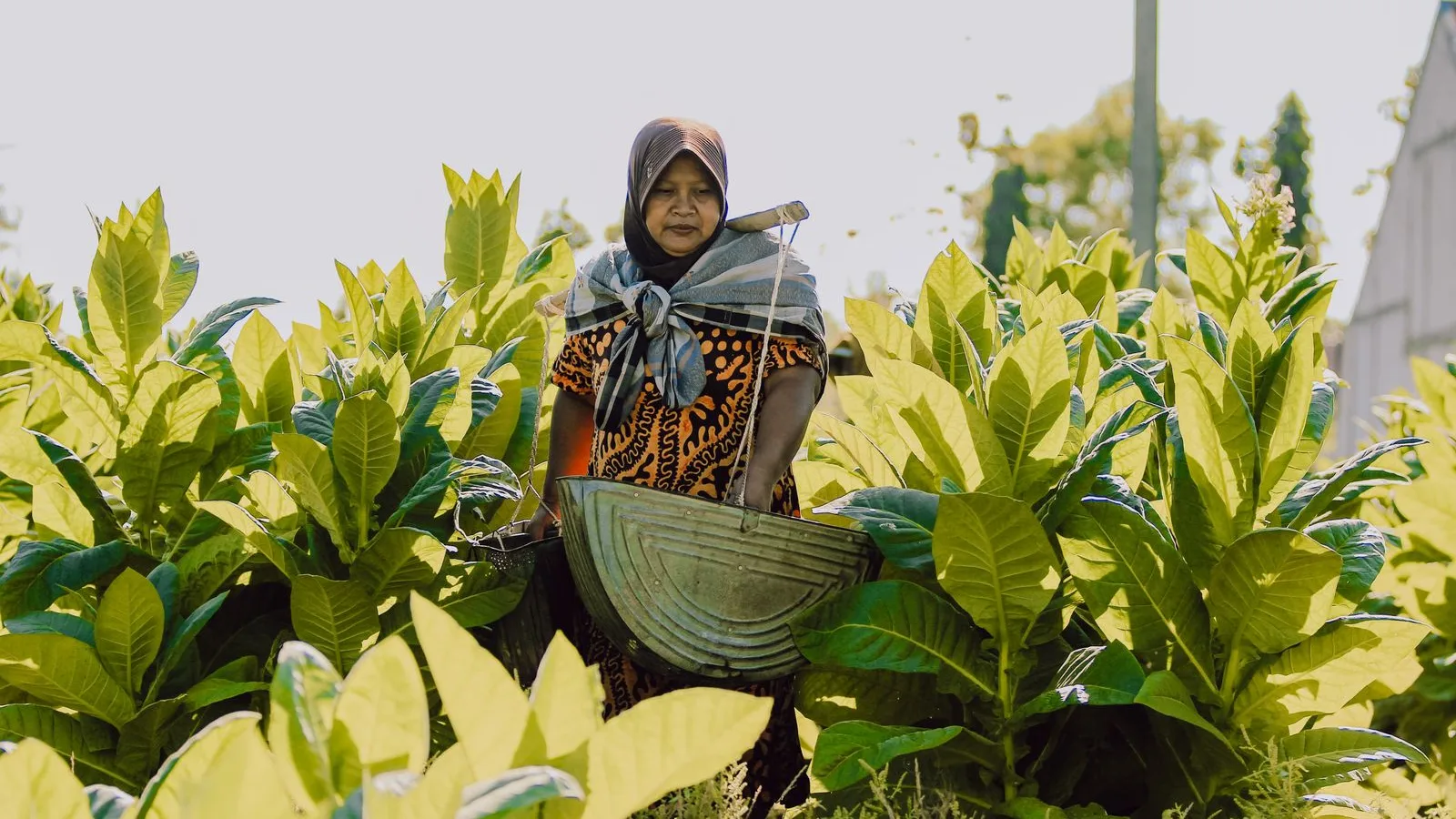
The aroma of freshly harvested kratom fills the air in Bali, Indonesia, where the leaves are carefully processed and prepared for export. This journey from farm to EU importer is marked by rigorous standards and a commitment to transparency.

How can kratom exporters demonstrate full batch traceability to EU buyers?

Kratom exporters can demonstrate full batch traceability to EU buyers by implementing a comprehensive tracking system that records each step of the supply chain. This includes documenting the origin of the kratom leaves, processing methods, and storage conditions. By using barcodes or QR codes, exporters can enable EU importers to access detailed information about each batch, ensuring that the kratom meets the necessary safety and quality standards set by EU regulations. This system not only fosters trust but also aligns with EU compliance requirements.

What basic data should be captured for each kratom lot or batch?

For effective lot tracking in kratom exports, basic data to be captured includes the following:
Harvest Date: The specific date when the kratom leaves are harvested, which is crucial for freshness.
Farm Location: The geographical coordinates of the farm, ensuring traceability back to the source.
Processing Details: Information on how the kratom was processed, including drying and grinding methods, which can affect potency and quality.
Batch Number: A unique identifier assigned to each batch for easy tracking throughout the supply chain.
By maintaining this data, exporters can provide EU buyers with the necessary information to ensure compliance and quality assurance.

How does traceability support compliance and recall procedures for kratom?

Traceability plays a vital role in supporting compliance and recall procedures for kratom products. In the event of a quality issue or contamination, having a robust tracking system allows exporters to quickly identify affected batches and take immediate action. This minimizes risk to consumers and maintains the integrity of the product. Furthermore, compliance with EU regulations requires a clear understanding of the product’s journey, which traceability provides. This system not only protects consumers but also safeguards the reputation of kratom exporters in a competitive market.

Which digital tools can improve kratom supply-chain visibility?

Several digital tools can significantly enhance visibility in the kratom supply chain. Software solutions like blockchain technology provide an immutable record of every transaction and movement within the supply chain, ensuring transparency. Inventory management systems can track stock levels and order details in real-time, enabling quick responses to market demands. Additionally, mobile applications allow farmers and exporters to log data on the go, ensuring that information is captured accurately and efficiently. Implementing these tools can streamline processes, improve communication, and enhance overall supply chain transparency.

Kratom Pricing and Market Dynamics

The pricing of kratom varies depending on quality, processing methods, and market demand. As of 2023, the price of high-quality kratom powder in the European market ranges from $15 to $30 per kilogram (approximately IDR 225,000 to IDR 450,000), while wholesale prices can be lower depending on the volume purchased. Understanding these dynamics helps exporters set competitive prices while ensuring they meet compliance standards, ultimately benefiting both suppliers and consumers.

Conclusion: The Importance of Traceability in the Kratom Industry

In the rapidly evolving kratom industry, traceability is more than just a regulatory requirement; it is a critical component of quality assurance and consumer safety. By adopting robust tracking systems and utilizing digital tools, kratom exporters can meet EU compliance requirements and foster trust with buyers. This commitment to transparency not only protects consumers but also enhances the reputation of the kratom industry as a whole.

For more information on kratom exports and supply chain transparency, visit our homepage at Bali Kratom Export. To learn more about kratom regulations, explore our detailed guides on kratom regulations and the export process. If you want to discuss how we can assist you further, contact the team today.

What document is generated at each step of the kratom supply chain?

Every credible traceability system in the kratom supply chain produces a specific record at each hand-off, so a finished lot can be traced backward from the EU importer’s warehouse to the farm block where the leaf was picked. As of 2026 there is no single mandated document set for kratom traceability in the supply chain in Indonesia, but the sequence below reflects the paperwork that serious exporters and buyers already rely on. Each row shows who holds the goods, the record created at that stage, and what that record proves.

Step Who holds the goods Document generated What it proves
1. Farm Smallholder grower Harvest / origin log (village, block, harvest date, leaf type) Where and when the leaf was grown
2. Collector Village collector (pengepul) Collection receipt with weight and farm-lot reference Chain of custody from farm to aggregation point
3. Processor Drying & milling facility Batch production record and internal batch code How raw leaf became a defined, coded batch
4. Surveyor Independent inspector Surveyor report (Laporan Surveyor) and sampling record Independent check of quantity, packing and sampling
5. Exporter Registered exporter Commercial invoice, packing list, Certificate of Origin, lab COA Legal export, declared grade and test results per batch
6. Freight Freight forwarder / carrier Bill of Lading or Air Waybill and insurance certificate Custody, route and risk transfer during transport
7. Importer EU buyer Customs import declaration and goods-received reconciliation Legal entry and a match of the received lot to the shipped batch

The single thread that ties these seven records together is the batch code assigned at step 3. When the laboratory certificate of analysis and the exporter’s compliance documentation all quote the same code, an importer can reconcile a physical sack in Rotterdam with one specific harvest. That is the working definition of traceability, rather than a marketing claim.

How does batch and lot coding work in Indonesian kratom traceability?

Batch and lot coding is the mechanism that makes Indonesia’s kratom farms and wider industry auditable at scale. A batch is a quantity of leaf processed under uniform conditions (same origin window, same drying run), while a lot is the specific packed quantity shipped against one order. As of 2026 there is no legally imposed coding format, so most exporters build a readable internal code that encodes origin, strain, time and sequence.

A typical structure looks like this (illustrative only, not an official standard):

  • Origin: region or collection zone, for example WK for West Kalimantan
  • Type: the leaf or vein designation used in the contract specification
  • Time: the harvest or processing period, such as year and week number
  • Sequence: a running batch number, for example 014

Combined, a code such as WK-2026W03-014 lets every downstream document reference one origin without exposing individual farmer identities in public paperwork. Good coding delivers three concrete benefits: a failed heavy-metal or alkaloid result can isolate a single batch instead of quarantining a whole container; mass-balance checks confirm the shipped weight matches what was harvested and processed; and any quality claim can be investigated against the exact record set. These same codes feed the exporter’s internal quality-assurance system and the buyer’s incoming-goods checks, closing the loop from farm to importer.

How do you work with a partner who keeps the chain of custody intact?

Traceability is only as strong as the weakest undocumented hand-off, so it pays to confirm how a supplier codes batches and issues documents before you commit to volume. If you want a shipment where each step above is evidenced and every record ties back to one batch code, our team can walk you through a sample document pack for the kratom supply chain. Bali Kratom Export is part of Juara Holding Group, operating from Bali across Indonesia since 2015, and works only with registered, compliant exporters.

Message our business desk on WhatsApp at +62 811-3941-4563 or email [email protected] to request a traceability walkthrough, or read more about compliant kratom export from Indonesia.

💬