West Kalimantan Kratom: Origin Regions, Quality Grades, and Supply Capacity

West Kalimantan is a primary origin for Indonesian kratom exports due to its ideal growing conditions, rich soil, and traditional cultivation practices.
– The region’s unique climate supports high alkaloid concentrations in kratom leaves.
– Local farmers employ sustainable cultivation methods to ensure long-term viability.
– West Kalimantan supplies a significant portion of the global kratom market, serving as a hub for B2B bulk kratom transactions.

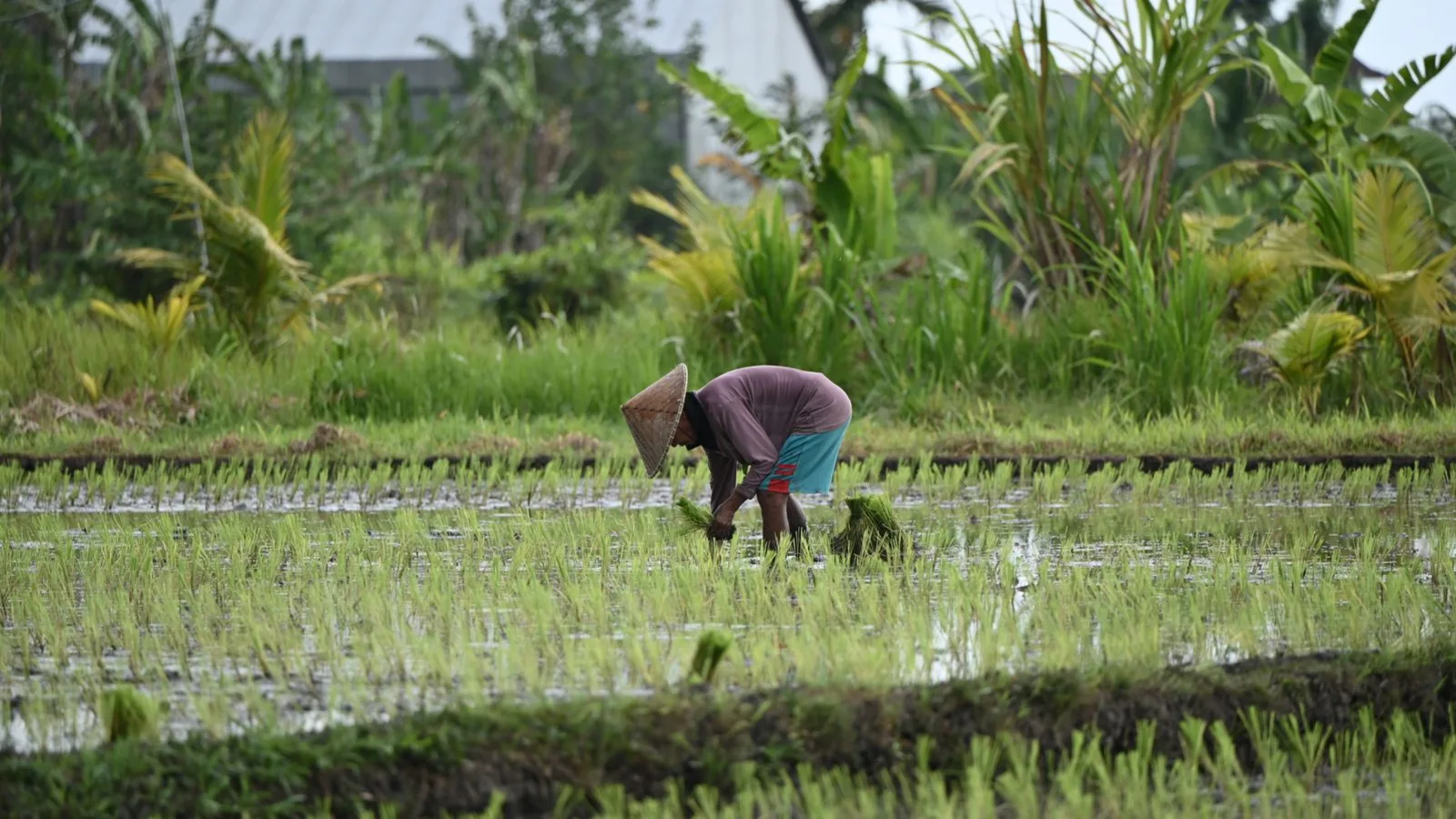
The air is thick with the earthy aroma of kratom leaves as you traverse the lush landscapes of West Kalimantan. This region is not just a geographical location; it is a vital source of kratom that captivates both the senses and the market.

Why is West Kalimantan a primary origin for Indonesian kratom exports?

West Kalimantan stands out as a primary origin for Indonesian kratom exports due to its fertile soil and favorable climatic conditions. The region experiences high humidity and consistent rainfall, which are crucial for the growth of the Mitragyna speciosa tree. The combination of these factors contributes to a higher concentration of alkaloids, which are the active compounds in kratom known for their stimulant and sedative effects. Furthermore, local farmers have cultivated kratom using traditional methods for generations, ensuring that the quality remains consistent and high. This commitment to quality has attracted international markets, particularly in the European Union, where demand for premium kratom is on the rise.

How are kratom quality grades defined and negotiated in B2B contracts?

Kratom quality grades in Indonesia are primarily defined by the alkaloid content, leaf maturity, and processing methods. Farmers and exporters often classify kratom into several grades, such as “premium,” “super,” and “regular,” each indicating varying alkaloid concentrations. Negotiations in B2B contracts usually involve detailed discussions on these grades, with suppliers providing samples for testing. The final pricing can vary significantly; for instance, premium grades may range from $100 to $150 per kilogram (1,500,000 to 2,250,000 IDR), while regular grades may fall between $50 and $80 per kilogram (750,000 to 1,200,000 IDR). Transparency in quality grading not only fosters trust between parties but also ensures that both suppliers and buyers are satisfied with their transactions.

Which districts in West Kalimantan are key for kratom leaf and powder supply?

Several districts in West Kalimantan are pivotal for kratom leaf and powder supply, including Sintang, Kapuas Hulu, and Melawi. Sintang, known for its rich soil and traditional farming practices, produces kratom that is sought after for its high alkaloid content. Kapuas Hulu, with its remote and pristine environment, allows for the organic cultivation of kratom without the interference of pesticides or chemicals. Melawi also contributes significantly to the supply chain, where many local farmers have formed cooperatives to enhance their bargaining power and share best practices. These districts are not just suppliers; they represent the backbone of the kratom industry in Indonesia, sustaining both local economies and international demand.

How does origin (West Kalimantan vs other provinces) affect kratom characteristics?

The origin of kratom significantly impacts its characteristics, with West Kalimantan offering unique qualities compared to other provinces like Bali or Sumatra. The specific environmental conditions in West Kalimantan contribute to a higher average alkaloid concentration, often resulting in kratom that is more potent than its counterparts. For example, while Bali kratom is renowned for its balanced effects, West Kalimantan kratom is often characterized by its stronger analgesic properties. Additionally, the traditional farming practices and the specific strains cultivated in West Kalimantan produce distinct flavors and effects, catering to different consumer preferences. This distinction is crucial for vendors looking to source specific types of kratom for their clientele.

Sustainable kratom sourcing in West Kalimantan

Sustainable kratom sourcing in West Kalimantan is becoming increasingly important as global demand grows. Many farmers are adopting practices that minimize environmental impact while maximizing yield. This includes agroforestry techniques, where kratom is grown alongside other crops, thereby enhancing biodiversity and soil health. Certifications such as organic and fair trade are becoming more prevalent, allowing producers to access premium markets while ensuring that they are compensated fairly. The commitment to sustainability not only helps preserve the environment but also strengthens the economic resilience of local communities. As international regulations on kratom tighten, sustainable sourcing will be key to ensuring continued export opportunities.

Connecting with the global kratom market

The global kratom market is evolving, and West Kalimantan plays a crucial role in this transformation. With many vendors looking to establish B2B relationships, understanding the nuances of sourcing from this region is essential. Buyers in the European Union and the United States are increasingly seeking reliable suppliers who can provide high-quality, sustainably sourced kratom. This trend emphasizes the importance of transparent supply chains and quality assurance processes. By fostering these connections, West Kalimantan can position itself as a leading exporter of kratom, catering to an expanding market of informed consumers.

For more detailed information on kratom and sustainable sourcing practices, you can visit [Wikipedia](https://en.wikipedia.org/wiki/Kratom), [Indonesia Travel](https://www.indonesia.travel/), and [UNESCO](https://www.unesco.org/).

To explore more about Bali Kratom Export and discover our range of kratom products, contact the team through our [contact page](/contact/).

💬