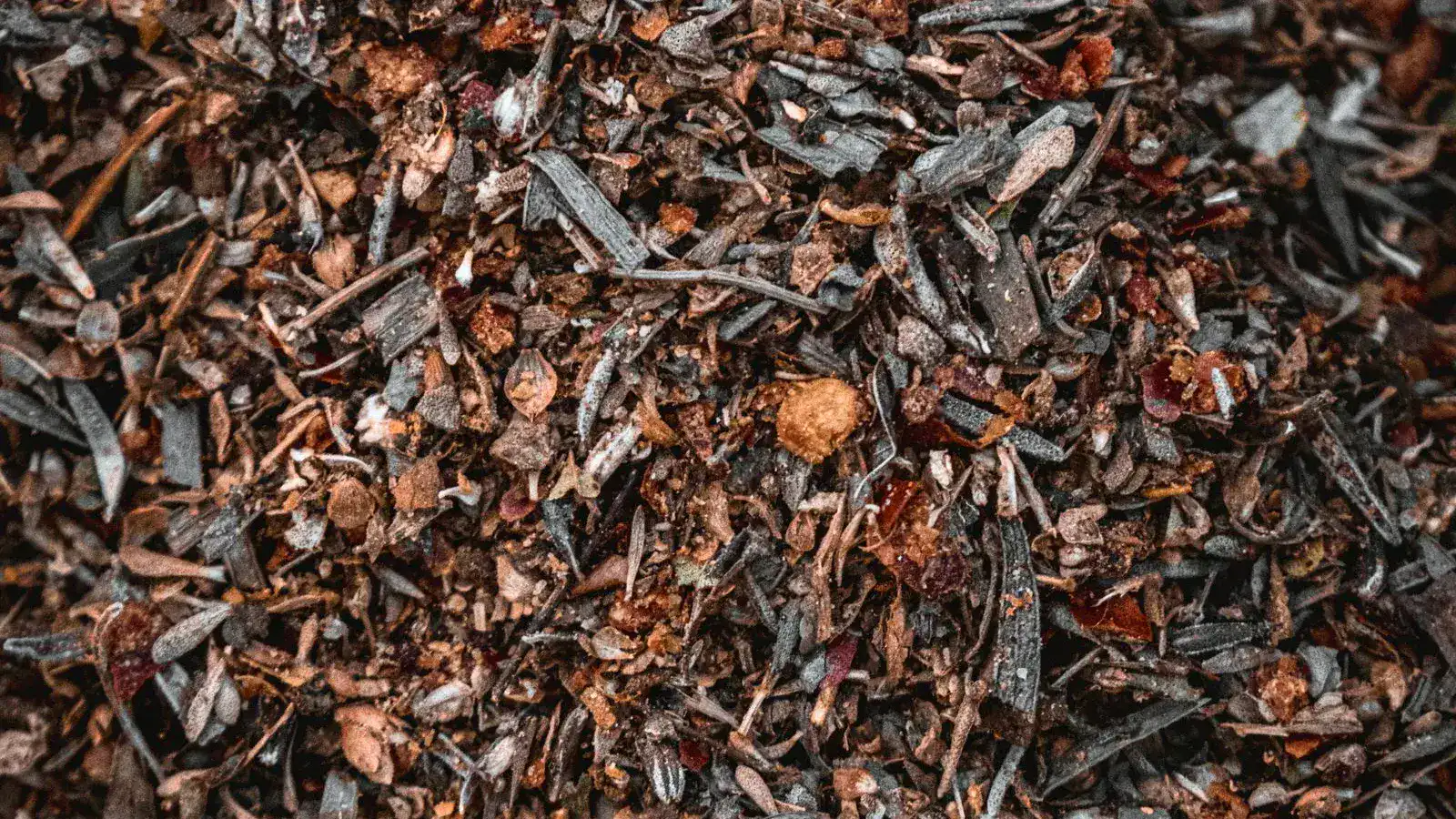
The rich, earthy aroma of kratom powder wafts through the air of Bali’s bustling markets, where vendors showcase vibrant green leaves and meticulously packaged products destined for international markets. For EU buyers venturing into this niche, understanding compliance documentation is pivotal for smooth kratom imports.
Which documents form a full compliance pack for kratom imports into Europe?
To successfully import kratom into the European Union, a full compliance pack typically includes several key documents. First, the **Certificate of Origin** confirms that the kratom is sourced from Indonesia, a requirement for many customs authorities. This document should detail the specific region of origin, such as West Kalimantan or Bali, where the kratom is harvested.
Second, the **Certificate of Analysis (COA)** provides insights into the composition of the kratom, including levels of mitragynine and other active compounds. This document is critical for ensuring that the product meets EU quality standards and safety regulations.
Next, the **Safety Data Sheet (SDS)** outlines the potential hazards associated with kratom powder, including safe handling practices, first-aid measures, and environmental considerations. This is crucial for businesses in the EU that need to comply with REACH (Registration, Evaluation, Authorisation, and Restriction of Chemicals) regulations.
Lastly, the **Phytosanitary Certificate** is essential for confirming that the kratom shipment is free from pests and diseases. This certificate is often required for all plant-based products imported into the EU and should be acquired from the Indonesian Ministry of Agriculture.
All of these documents work together to ensure that kratom imports meet the stringent regulations set by the EU, promoting safe trade and protecting consumer interests.
What information should appear on a kratom Certificate of Analysis?
A Certificate of Analysis (COA) is a critical component in the compliance documentation for kratom imports. It serves as a report that confirms the product’s quality and safety. An effective COA for kratom should include specific details, such as the following:
– **Product Identification**: This includes the product name (e.g., kratom powder), batch number, and the date of analysis.
– **Chemical Composition**: The COA must detail the levels of active compounds, primarily mitragynine and 7-hydroxymitragynine, along with any other significant alkaloids present. These figures should be expressed as percentages or milligrams per gram.
– **Microbial Testing Results**: Information on the presence of any harmful bacteria, such as E. coli or Salmonella, should be included to assure safety for consumers.
– **Heavy Metals and Contaminants**: The report should also provide testing results for heavy metals, such as lead, arsenic, and cadmium, which are crucial for safety compliance in the EU market.
This comprehensive analysis not only assures compliance with EU regulations but also fosters trust among buyers who demand transparency regarding the products they purchase. Importantly, EU regulations stipulate that kratom products must not exceed specific limits for these components, ensuring consumer safety and product integrity.
Do kratom shipments from Indonesia require phytosanitary certificates?
Yes, kratom shipments from Indonesia do require phytosanitary certificates. This document is essential for ensuring that the plant material is free from pests and diseases, which is a standard requirement for all plant-based imports into the European Union.
The **Phytosanitary Certificate** is issued by the Indonesian Ministry of Agriculture and serves as a guarantee that the kratom has been inspected and complies with the health regulations set by EU authorities. The inspection typically involves checking for any signs of pest infestations, diseases, or other harmful organisms that could affect agricultural health within the EU.
Moreover, the phytosanitary certification process may take time, depending on the volume of exports and the specific requirements of the importing country. Buyers should communicate with their suppliers about the lead time for obtaining this certificate, which could range from several days to weeks. Failure to present a valid phytosanitary certificate can result in customs delays or even the rejection of the shipment at the border.
In summary, securing a phytosanitary certificate is not just a regulatory requirement; it also plays a crucial role in maintaining the quality and safety of kratom imports, ensuring that they meet EU standards.
How should kratom safety data sheets (SDS) be prepared for EU industry users?
Preparing Safety Data Sheets (SDS) for kratom intended for EU industry users requires adherence to specific guidelines set forth by the European Chemicals Agency (ECHA). An effective SDS must be clear, comprehensive, and structured according to the EU regulations, such as the REACH directive.
An SDS for kratom should include the following key sections:
1. **Identification of Substance**: This section must provide the product name, its uses, and the manufacturer or supplier’s contact information.
2. **Hazard Identification**: It should detail any hazards associated with kratom, such as health risks (e.g., respiratory irritation, potential for abuse) and environmental risks.
3. **Composition Information**: The SDS needs to specify the chemical identity, including concentrations of active components like mitragynine, along with any impurities or additives.
4. **First Aid Measures**: This section should outline the steps to take in case of exposure, such as skin contact or ingestion.
5. **Handling and Storage Guidelines**: This part defines the safe methods for storage and handling to minimize risks during use.
6. **Physical and Chemical Properties**: The SDS should include information like appearance, odor, pH, and solubility, which are important for safety assessments.
7. **Regulatory Information**: It is vital to include any specific EU legislation applicable to kratom, providing buyers with context about compliance.
Creating an accurate and informative SDS not only fulfills legal obligations but also helps facilitate safe handling practices among users in various industries.
Comparative costs of compliance documentation
When looking at the costs associated with compliance documentation for kratom exports to the EU, several factors come into play. On average, obtaining a complete compliance pack—including a Certificate of Origin, COA, SDS, and Phytosanitary Certificate—can range from $500 to $1,500 (7,500,000 IDR to 22,500,000 IDR).
– A **Certificate of Origin** typically costs around $100 to $300 (1,500,000 IDR to 4,500,000 IDR) depending on the issuing authority and specific requirements.
– The **Certificate of Analysis** can vary significantly in price, often costing between $200 and $700 (3,000,000 IDR to 10,500,000 IDR) based on the complexity of the tests and the laboratory used.
– The **Safety Data Sheet (SDS)** may cost approximately $200 to $400 (3,000,000 IDR to 6,000,000 IDR) to prepare, given the need for expertise in chemical regulations.
– Finally, the **Phytosanitary Certificate** generally incurs a fee of about $100 to $200 (1,500,000 IDR to 3,000,000 IDR), plus any additional costs for inspections.
These costs can fluctuate based on supplier agreements, testing requirements, and regional regulations, so it is prudent for buyers to budget accordingly for these compliance documents.
For further information on Indonesia and its kratom industry, explore resources from [Indonesia Travel](https://www.indonesia.travel), [Wikipedia](https://en.wikipedia.org/wiki/Kratom), and [UNESCO](https://whc.unesco.org/en/list/).
As the landscape of kratom exports continues to evolve, ensuring compliance with EU regulations is paramount for sustained market access. For personalized assistance, contact the team for support in navigating the complexities of kratom exports.