Choosing Laboratories for Kratom Testing: Accreditation, Methods, and Reporting

Choosing the right laboratory for kratom testing involves focusing on accredited labs that follow ISO 17025 standards, utilize validated analytical methods like HPLC for mitragynine testing, and provide transparent reporting. Ensuring compliance with these criteria is essential for kratom exporters aiming to enter or maintain a foothold in the EU market.

The aroma of kratom fills the air in Bali, a sensory reminder of the vibrant leaves harvested from the lush trees of Southeast Asia. As the demand for kratom grows, so does the necessity for rigorous testing to ensure product quality and safety.

What accreditation should a laboratory have to test kratom for EU trade?

For kratom testing intended for EU trade, laboratories must possess ISO 17025 accreditation. This international standard confirms that the lab meets stringent criteria for competence in testing and calibration. It requires not only validated methods but also quality management systems to ensure accurate and reliable results. Additionally, laboratories may hold certifications from recognized bodies such as the European Union’s European Chemicals Agency (ECHA), which can further bolster credibility.

In Europe, compliance with regulations like the Novel Food Regulation also necessitates rigorous testing for contaminants and alkaloid profiles. Laboratories that are ISO 17025 accredited ensure that their processes and results are accepted by EU regulatory authorities, paving the way for smoother market entry for kratom exporters.

Which analytical methods are typically used for kratom alkaloid quantification?

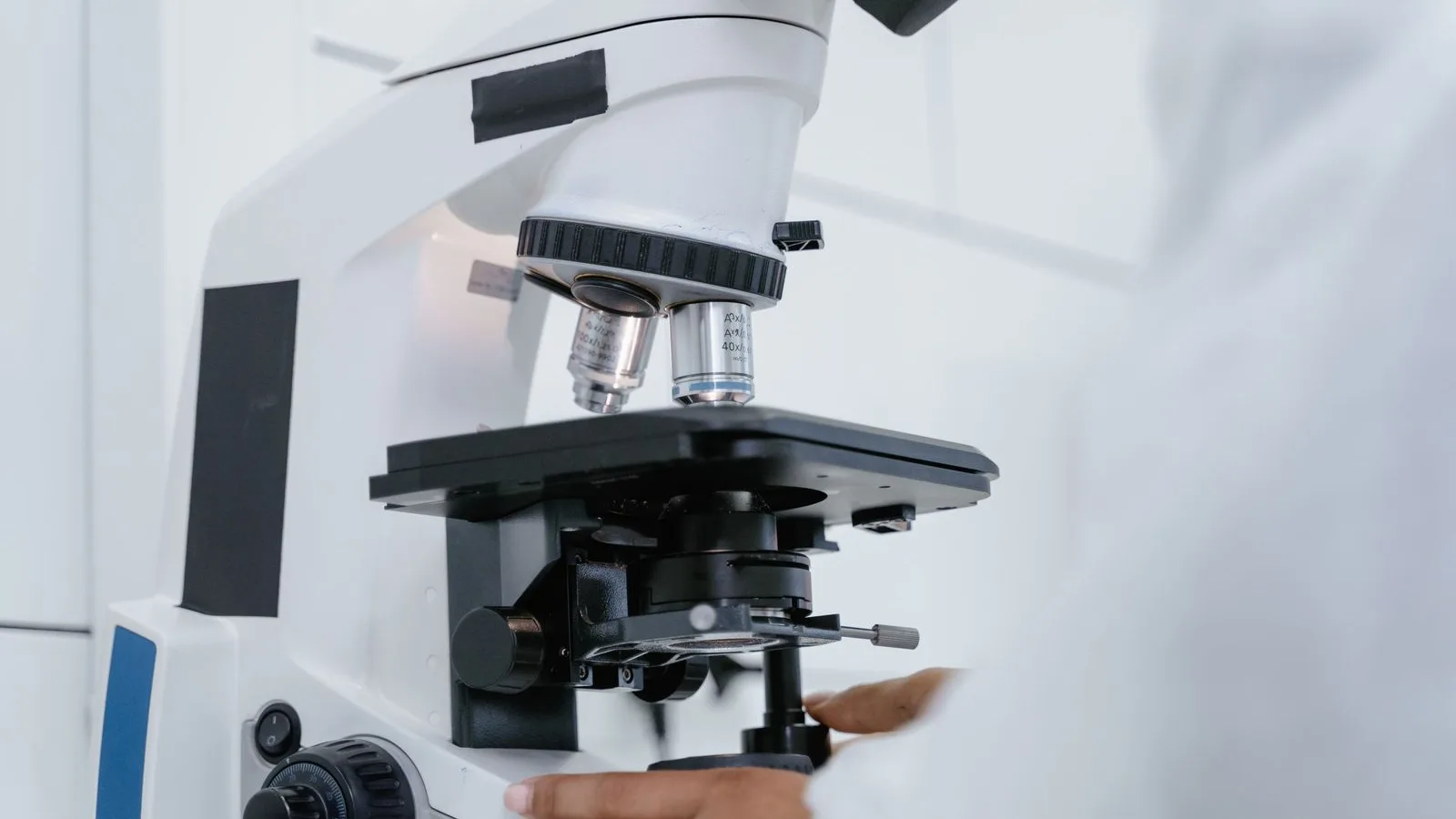
The most commonly utilized analytical method for kratom alkaloid quantification is High-Performance Liquid Chromatography (HPLC), specifically for mitragynine and 7-hydroxymitragynine analysis. HPLC allows for the separation and quantification of these compounds at precise levels, often within a range of 0.01% to 10% depending on the strain and preparation of kratom. Other methods include mass spectrometry (MS) and gas chromatography (GC), but HPLC remains the gold standard due to its reliability and accuracy.

In tandem with HPLC, laboratories may employ techniques like UV-Vis spectrophotometry for preliminary screenings or liquid chromatography coupled with mass spectrometry (LC-MS) for confirming complex mixtures. The adoption of these methods not only aids in quality assurance but also ensures that kratom products align with market expectations in terms of potency and safety.

Should kratom testing be conducted in Indonesia, Europe, or both?

Testing for kratom should ideally be conducted both in Indonesia and Europe. In Indonesia, where kratom is cultivated, initial testing can identify the alkaloid profile and ensure that the raw material meets safety standards before export. This step is crucial for maintaining quality control in the supply chain.

Once the kratom reaches Europe, further testing is advisable to comply with EU regulations and to verify that the product is free from contaminants such as heavy metals, pesticides, and pathogens. This dual-testing approach not only enhances transparency but also builds trust with European B2B customers, who often demand comprehensive testing documentation.

How often should kratom batches be tested for EU B2B customers?

Kratom batches should be tested for EU B2B customers at regular intervals, ideally with each batch undergoing comprehensive testing before shipment. This practice aligns with the EU’s stringent safety and quality regulations. A general recommended frequency is every 1-2 weeks for ongoing suppliers or as per batch production schedules.

In addition to batch testing, periodic audits of suppliers and their respective laboratories are advisable to ensure continuous compliance with both local and international standards. This consistency in testing not only assures product safety but also helps to establish a reputable brand in the competitive kratom market.

Cost considerations for kratom testing

The cost of kratom testing can vary significantly based on the type of analysis performed and the laboratory selected. For basic HPLC testing, prices typically range from $200 to $500 USD (approximately 3,000,000 to 7,500,000 IDR) per batch, depending on the laboratory’s location and accreditation. More comprehensive testing, including multiple alkaloids and contaminants, can drive costs up to $1,000 USD (around 15,000,000 IDR) or more.

When selecting laboratories for kratom exporters, it is essential to balance cost with the quality of testing services. Investing in accredited labs with ISO 17025 certification ensures that the results are reliable and accepted in international markets.

Conclusion

Choosing the right laboratories for kratom testing is crucial for exporters looking to thrive in the competitive EU market. By prioritizing accredited labs, utilizing validated methods like HPLC for mitragynine testing, and implementing regular testing protocols, kratom suppliers can ensure the safety and quality of their products. This, in turn, fosters trust among B2B customers and enhances marketability.

For more information on Bali kratom export standards and practices, visit our homepage or explore our detailed guide on kratom testing. For inquiries, contact the team today.

💬