Bali Kratom Export Cost & Pricing Guide

Bali Kratom Export refers to the comprehensive processes involved in sourcing, processing, and exporting kratom (Mitragyna speciosa) from Indonesia to international markets. This guide provides a transparent pricing breakdown for European B2B buyers, detailing costs, optional add-ons, and per-person rates associated with procurement.

As the sun rises over the lush landscapes of West Kalimantan, the rich green leaves of the kratom tree sway gently in the breeze, waiting to be harvested. Bali Kratom Export stands at the forefront of this industry, ensuring that European B2B buyers gain access to high-quality kratom through transparent pricing models. The air is filled with the earthy aroma of freshly cut leaves, each representing a unique opportunity for businesses in the European market. Understanding the cost structure associated with bali kratom export is essential for making informed purchasing decisions, now and in the years to come.

Understanding Bali Kratom Export Pricing

The pricing for bali kratom export is influenced by various factors, including quality grades, processing methods, and compliance with international regulations. Buyers can expect costs to vary based on these elements, so it’s crucial to have a clear understanding of what each price point includes.

Base Pricing Breakdown

The base price for bali kratom export typically covers the following:

  • Raw kratom leaf procurement
  • GMP processing and lab testing
  • Packaging and labeling
  • Customs clearance and compliance documentation

On average, base pricing ranges from €3 to €5 per kilogram, depending on the quality grade and processing requirements. This price may fluctuate based on market demand and the specific characteristics of the kratom being exported.

Quality Grades and Their Impact on Pricing

Bali kratom is available in various quality grades, which significantly influence pricing. The most common grades include:

  • Premium: This top-tier kratom often commands higher prices due to its potency and purity, averaging €5 to €7 per kilogram.
  • Standard: A more economical option, standard-grade kratom generally ranges from €3 to €5 per kilogram.
  • Bulk: For large orders, buyers can expect pricing as low as €2.50 per kilogram, depending on the quality and quantity.

Understanding these grades helps buyers make informed decisions, ensuring that they select the right product for their needs while adhering to budget constraints.

Optional Add-Ons and Customization

Bali Kratom Export provides a variety of optional add-ons that can enhance the purchasing process. These add-ons can be tailored to meet specific buyer requirements, making the logistics and sourcing process more efficient.

Lab Testing and Certifications

One of the most vital add-ons is extensive lab testing for alkaloids, heavy metals, and microbial contamination. Ensuring product safety and quality is paramount, particularly for European markets where strict regulations apply. Comprehensive lab testing can add approximately €0.50 to €1.00 per kilogram to the base price, depending on the tests requested.

Logistics and Shipping Options

Logistical considerations also play a significant role in the final pricing of bali kratom export. Buyers can choose from a range of shipping options, including:

  • Air Freight: Quick but costly, air freight can add €5 to €10 per kilogram to the total cost.
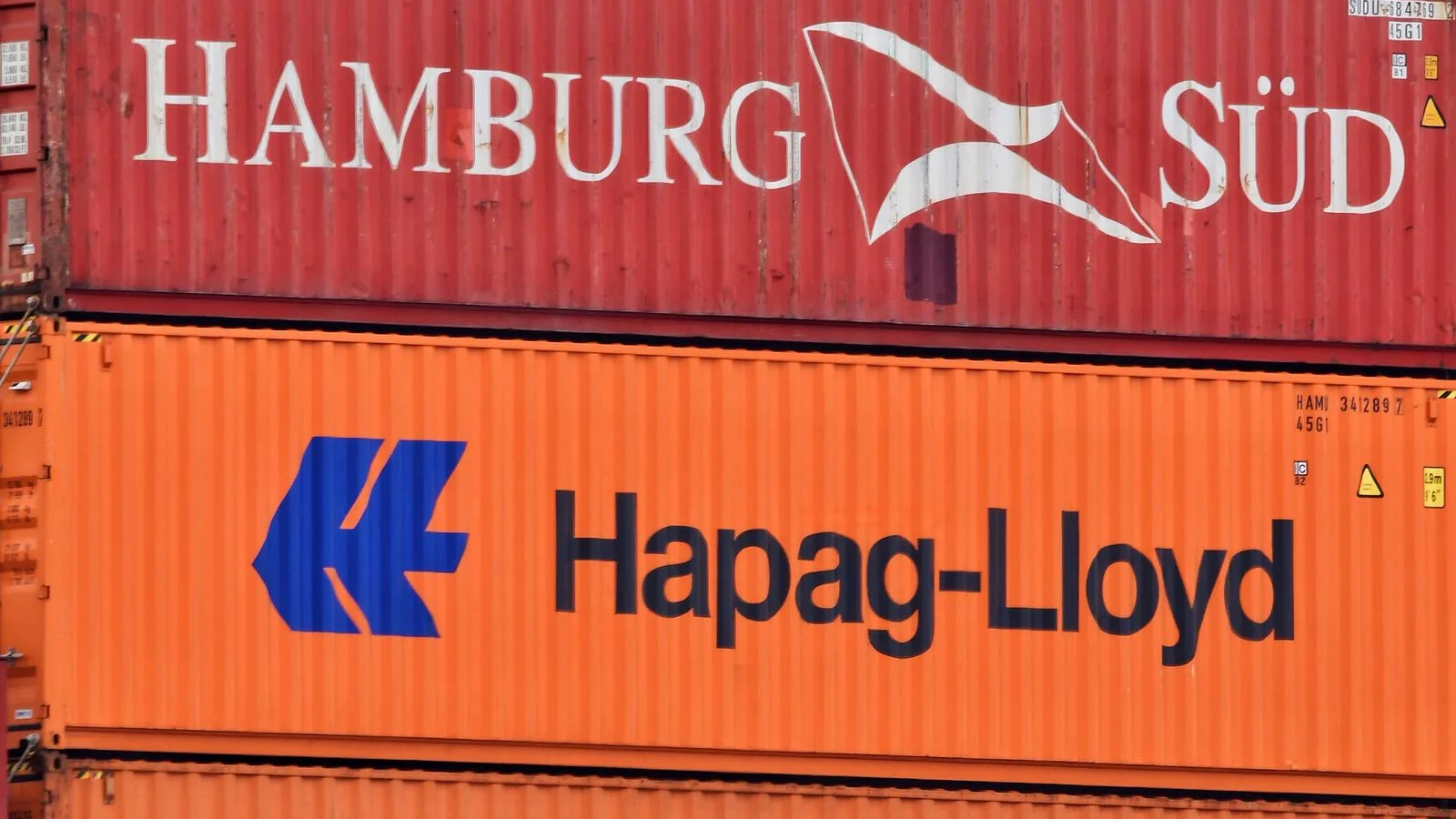
  • Sea Freight: More economical for larger shipments, sea freight typically costs €2 to €4 per kilogram.
  • Incoterms: Understanding Incoterms (like FOB, CIF) is essential for determining responsibility for shipping and insurance costs, which can impact pricing.

Selecting the right shipping method can significantly influence the overall cost and timing of delivery.

Compliance with EU Regulations

Bali kratom export is subject to a myriad of compliance regulations, especially when it comes to the European market. Understanding these regulations is crucial for B2B buyers looking to import kratom into Europe.

EU Novel Food Regulations

As of 2024, kratom is classified under the EU Novel Food regulation, which requires extensive safety assessments before products can be marketed. Buyers should anticipate potential costs related to compliance documentation and testing, which can range from €1,000 to €10,000, depending on the complexity of the assessment.

Member-State Legality

The legality of kratom varies across EU member states. Buyers must be aware of the specific regulations in their country of operation, as non-compliance can lead to significant financial penalties. For instance, while some countries may impose strict bans, others may only require minimal documentation.

Keeping abreast of the evolving legal landscape is essential for ensuring successful bali kratom export transactions.

GMP Processing and Quality Assurance

Good Manufacturing Practices (GMP) are critical in the kratom export industry, ensuring that products are produced consistently and controlled according to quality standards. Buyers should prioritize sourcing from suppliers who adhere to GMP guidelines, as this can significantly impact the quality and safety of the kratom they receive.

Impact of GMP on Pricing

GMP processing often adds approximately €0.80 to €2.00 per kilogram to the base cost of kratom, reflecting the rigorous standards applied throughout the production process. This investment in quality assurance is crucial for maintaining product integrity and meeting market demands.

Lab Testing Protocols

Routine lab testing for alkaloid levels, heavy metals, and microbiological content is integral to quality assurance. These tests not only provide peace of mind for buyers but also comply with EU regulations, allowing products to meet safety standards. Testing costs can range from €100 to €500 per batch, depending on the number of tests conducted and the lab chosen.

Sustainable Sourcing from West Kalimantan

Another essential aspect of bali kratom export is the commitment to sustainable sourcing practices. Suppliers in West Kalimantan prioritize environmentally responsible harvesting and cultivation methods to ensure the longevity of kratom forests.

Benefits of Sustainable Sourcing

Investing in sustainably sourced kratom can appeal to environmentally conscious buyers and can often be marketed at a premium. Sustainable practices typically enhance the quality of the kratom while ensuring that local communities benefit from fair trade practices. The cost of sustainably sourced kratom may be slightly higher, averaging €0.50 to €1.50 per kilogram, but the long-term benefits for both buyers and the environment are significant.

Community Impact and Fair Trade Practices

Supporting local farmers through fair trade practices not only helps improve their economic conditions but also fosters a sense of community and environmental stewardship. Buyers can inquire about the supplier’s practices to ensure that their procurement aligns with their corporate social responsibility goals.

Logistics and Documentation Requirements

The logistics of bali kratom export are complex and require careful planning to ensure timely delivery and compliance with international regulations. Buyers must be aware of the necessary documentation and logistical support required throughout the export process.

Key Documentation for Export

Buyers should be prepared to handle the following documentation:

  • Export licenses and permits
  • Quality assurance certificates
  • Customs declarations
  • Invoice and packing list

Failure to provide the correct documentation can lead to delays and additional costs, making it imperative for buyers to stay organized and informed about the requirements.

Incoterms and Their Importance

Understanding Incoterms is vital for determining the responsibilities of buyers and sellers in the shipping process. Common terms include FOB (Free on Board), where the seller bears the risk until the goods are loaded onto the transport vessel, and CIF (Cost, Insurance, and Freight), which includes insurance and freight costs. Misunderstanding these terms can lead to unexpected charges and logistical challenges.

By carefully navigating the logistics and documentation requirements, buyers can streamline the export process and minimize potential issues.

As the demand for bali kratom export continues to grow, European B2B buyers must familiarize themselves with the intricate details of pricing, compliance, and quality assurance. By understanding the various components that contribute to the cost structure, buyers can make informed decisions that align with their business strategies and regulatory obligations.

The path to successful procurement of bali kratom export is paved with knowledge and strategic planning. Buyers are encouraged to engage with reputable suppliers, stay informed about regulatory changes, and embrace sustainable practices that benefit both their businesses and the communities they source from. The journey of sourcing high-quality kratom is filled with opportunity, and being well-prepared can lead to fruitful partnerships and success in the European market.

For those ready to take the next step in their bali kratom export journey, we invite you to explore our homepage and discover more about the sourcing and procurement processes. Let us help you navigate the complexities of the kratom export industry with confidence.
💬