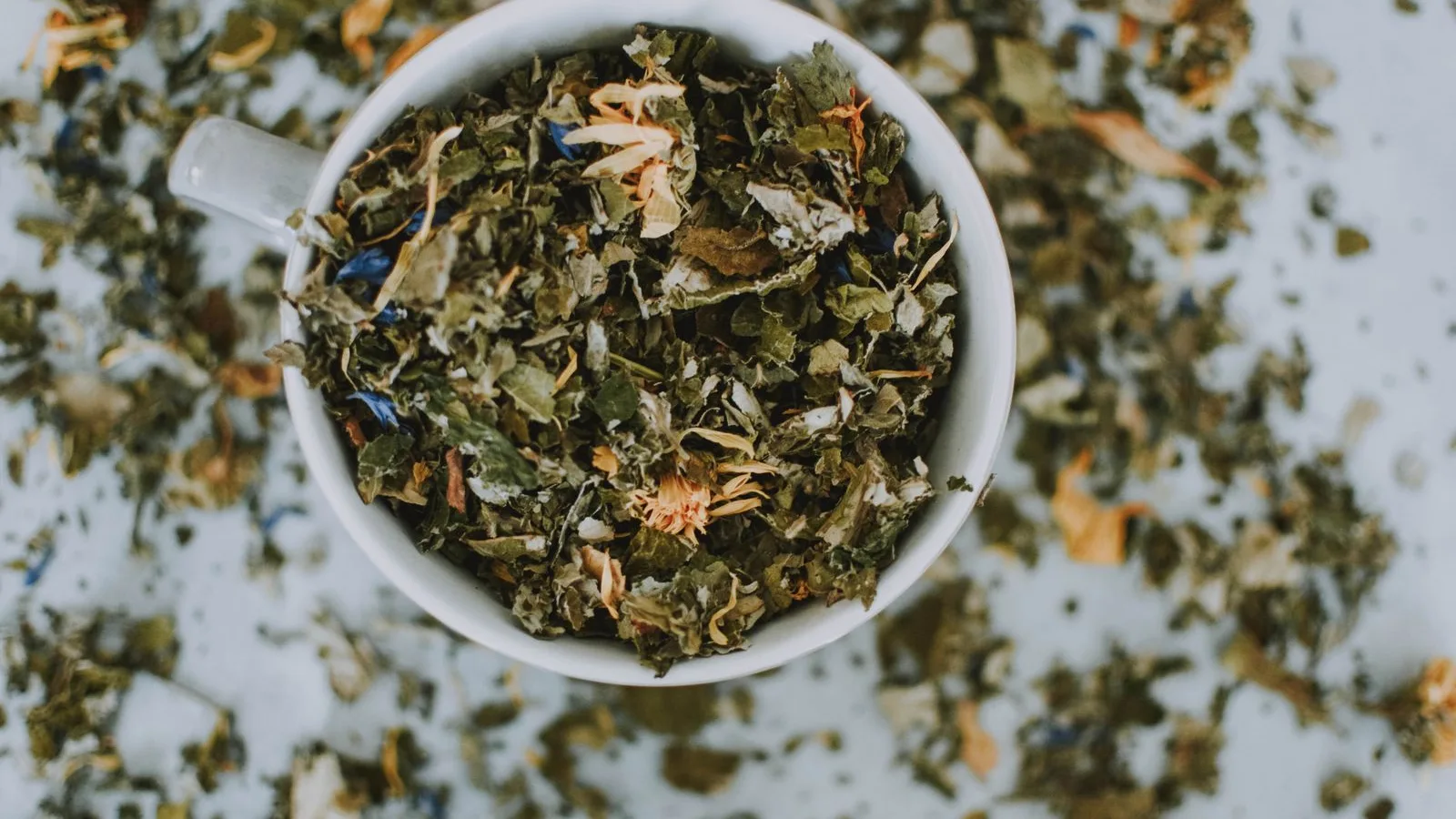
Dried whole leaf
- Mitragynine
- ~1.2–1.8%
- Moisture
- ≤10%
- Mesh / particle
- Whole / cut leaf
- Appearance
- Green, low stem
Contract-term note: potency & foreign-matter tolerances set per lot.
Informational trade publication — no medical claims, no consumer sales
Defining Kratom Quality
The aroma of fresh kratom leaves fills the air as they are carefully harvested in the lush plantations of Bali and West Kalimantan, Indonesia. Each leaf
Short answer
The aroma of fresh kratom leaves fills the air as they are carefully harvested in the lush plantations of Bali and West Kalimantan, Indonesia. Each leaf carries a complex history, shaped by its environment and the nuances of traditional processing methods.
Informational only — verify every figure with the competent authority before you contract.
Spec bands
Indicative spec bands for the three product forms, with the contract-term note that tolerances are written into supply contracts. All bands date-stamped indicative 2026.
Contract-term note: potency & foreign-matter tolerances set per lot.
Contract-term note: mesh & colour band agreed on approved sample.
Contract-term note: standardization %, carrier & solvent references written into contract.
Sources: Laboratory Testing · West Kalimantan Origin & Grades.
The briefing
Indonesian export contracts define kratom leaf and powder grades through a structured grading system that focuses on several criteria, ensuring buyers receive the expected quality. The most recognized categories include “Premium” and “Standard” grades, which differ primarily in their alkaloid content and appearance. Premium kratom, typically derived from younger leaves, is noted for its higher potency, boasting elevated levels of mitragynine and 7-hydroxymitragynine—key compounds driving kratom’s effects.
Standard grade kratom, while still effective, often comprises older leaves and may exhibit a broader range of color and potency. Contracts specify these grades alongside moisture content specifications, typically aiming for moisture levels below 10% to prevent mold and degradation during transit. For example, premium kratom may command prices around $8-12 USD (approximately 120,000-180,000 IDR) per kilogram, while standard grades might range from $5-8 USD (75,000-120,000 IDR).
A comprehensive kratom purchase agreement should specify several critical quality parameters to ensure transparency and satisfaction for both parties. Key specifications include:
1. Moisture Content : This should not exceed 10% for optimal preservation, with penalties or re-negotiation clauses included for out-of-spec products. 2. Alkaloid Content : Parties should agree on minimum alkaloid concentrations, typically expressed as a percentage, to define potency expectations. 3. Particle Size : Specifications for powder fineness are essential, as this affects solubility and efficacy. A common standard is a mesh size of 50-100, allowing for fine powder suitable for various applications.
These parameters help mitigate risks and establish trust between suppliers and buyers, especially in B2B transactions.
European Union buyers address out-of-spec kratom shipments through stringent quality control measures and established procedures. Upon receiving a shipment, buyers conduct independent testing to verify a dherence to agreed specifications. If a shipment fails to meet quality standards, several actions may follow:
1. Rejection of Shipment : Buyers reserve the right to reject the entire shipment, returning it to the supplier at their expense. 2. Negotiation of Discounts : In cases where only part of the shipment is substandard, buyers may negotiate discounts or replacements for the affected quantities. 3. Legal Recourse : Contracts often include clauses allowing buyers to seek legal remedies for significant breaches of quality specifications.
These protocols underscore the importance of quality assurance in international kratom trade.
In the dynamic landscape of kratom export s, testing tolerances and re-testing clauses play a vital role in ensuring product integrity. Common practices include:
1. Alkaloid Tolerances : Many contracts stipulate acceptable variances in alkaloid content, typically +/- 0.5% for mitragynine and 7-hydroxymitragynine levels. This accounts for natural fluctuations in kratom. 2. Moisture Re-Testing : If initial tests reveal moisture levels above the specified threshold, re-testing clauses often allow for secondary evaluations to confirm findings and determine the shipment’s fate. 3. Third-Party Testing : Contracts frequently require third-party testing from accredited laboratories to bolster credibility and ensure impartiality in quality assessments.
Such testing measures protect both buyers and suppliers, facilitating smoother transactions in the B2B kratom supply chain.
The distinction between premium and standard kratom grades is central to the Indonesian kratom grading system. Premium kratom is characterized by its rich green color and potent alkaloid profile, making it highly sought after in the global market. Typically, this grade is harvested from younger leaves, contributing to its higher price point.
In contrast, standard kratom, often derived from older leaves, may present a more varied color spectrum, from yellow to brown, indicating a broader range of potency. While standard kratom can still be effective, it is generally perceived as less desirable, leading to lower market prices. Understanding these differences not only aids in quality assessment but also informs purchasing decisions, with premium kratom often selling for up to 50% more than its standard counterpart.
Moisture content is a critical quality specification in the kratom trade, influencing both shelf life and potency. Excessive moisture can lead to mold growth, spoilage, and loss of alkaloid potency. As a standard practice, reputable exporters maintain moisture levels below 10%, ensuring product stability during transport.
In contracts, moisture specifications are vital, often including clauses for penalties if the product exceeds agreed tolerances. For example, a supplier might face a discount of 10% on the total order value for every percentage point of moisture above the stipulated limit. This level of detail protects buyers, particularly in the EU market, where quality regulations are stringent.
The landscape of kratom export s from Indonesia is shaped by clear standards and contractual agreements that define quality. As the demand for kratom continues to grow in markets like the European Union, understanding the intricacies of kratom grading and quality specifications becomes crucial for both buyers and sellers in the B2B sphere.
Informational only — this briefing is not legal, medical or investment advice. Verify every figure with the competent authority.
Keep reading
Talk to the trade desk
Tell us the product form, destination market and order tier. Our BD desk replies with an informational, verify-with-authority brief — no medical claims, no invented pricing.
Informational only — we do not provide medical, legal or investment advice.
WhatsApp · +62 811-3941-4563 Business development · [email protected]