Indonesian Kratom vs Other Origins: Supply, Quality, and Regulatory Context
- Indonesia accounts for over 90% of the global kratom market share.
- Major cultivation regions include Bali and West Kalimantan.
- Regulatory environments in Indonesia support large-scale kratom production.
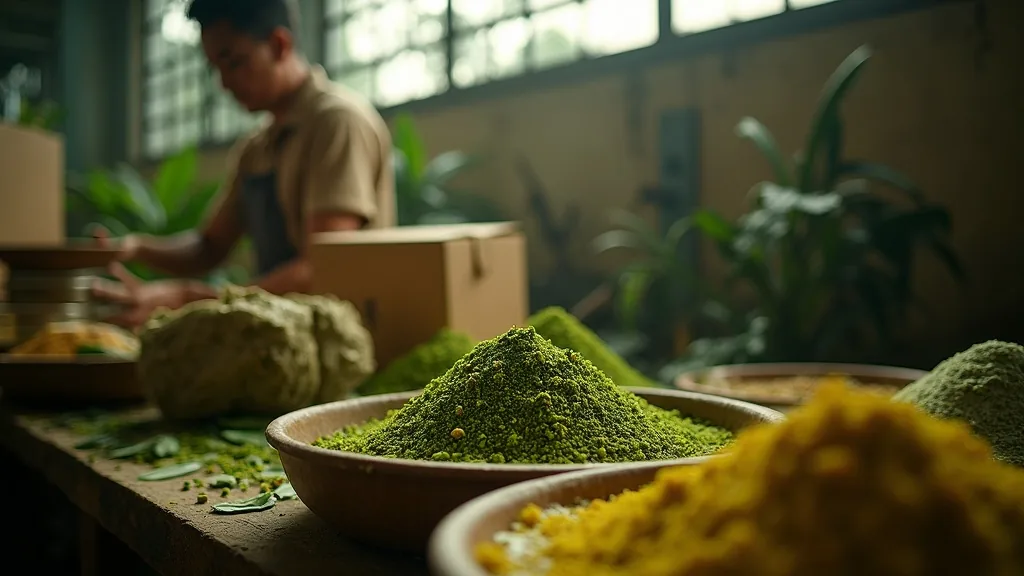
The aroma of fresh kratom leaves fills the air as you step into the vibrant marketplaces of Bali, where this potent botanical thrives under the tropical sun. Here, the lush green landscapes serve not only as a backdrop but as a foundation for a significant industry that influences the global kratom supply chain.
Why does Indonesia supply the majority of the world’s exportable kratom?
Indonesia’s dominance in kratom exports is primarily due to its ideal growing conditions, which include a warm, humid climate and fertile volcanic soil. The country has a long-standing tradition of kratom cultivation, particularly in regions like Bali and West Kalimantan. With a production capacity exceeding 30,000 tons annually, Indonesia significantly outpaces other countries, making it the primary source for kratom worldwide. The logistical advantages of established export routes further facilitate the distribution of Indonesian kratom to international markets, particularly in the United States and Europe, where demand continues to rise. Additionally, the lack of stringent regulations within Indonesia has allowed for the expansion of kratom farming, sustaining its role as a leading exporter.
How does Indonesian kratom compare with Thai or Malaysian kratom in trade terms?
When comparing Indonesian kratom to that sourced from Thailand or Malaysia, several distinctions arise in terms of quality and market presence. Indonesian kratom is often favored for its variety of strains, which include popular options like Bali and Maeng Da. These strains are known for their potency and distinct alkaloid profiles, which appeal to consumers looking for diverse effects. In contrast, Thai kratom is often characterized by its energizing effects but comes with a risk of stricter regulations, particularly in Thailand itself. Malaysian kratom, while less prevalent, offers unique strains like Elephant and Super Green, but it still lags behind Indonesia in terms of global market share. For European buyers, Indonesian kratom is typically priced between $10 to $15 per kilogram (IDR 150,000 to IDR 225,000), making it a cost-effective option compared to Thai kratom, which can command prices upwards of $20 per kilogram due to its limited supply.
Are there emerging alternative sources of kratom outside Indonesia?
While Indonesia remains the leading supplier of kratom, there are emerging sources in Southeast Asia that might challenge its monopoly. Countries like Vietnam and Papua New Guinea are beginning to cultivate kratom, capitalizing on their own favorable climates. However, these regions are still in the early stages of development regarding kratom production and export. Vietnam, for example, is starting to gain attention, but its kratom is not yet widely established in major markets like the U.S. or Europe. The quality and consistency of kratom from these emerging regions vary, making it difficult for them to compete with the well-established Indonesian market. As global demand for kratom increases, these alternatives may gain traction, but for now, Indonesia remains the primary source.
What competitive advantages does Indonesian kratom offer to European buyers?
Indonesian kratom presents several competitive advantages for European buyers. One of the most significant benefits is the consistency in quality and supply, with many established farms adhering to best practices in organic cultivation. Additionally, the extensive range of kratom strains available allows buyers to select products tailored to specific consumer preferences and needs. The regulatory environment in Indonesia also plays a crucial role; while other countries like Thailand face increasing restrictions, Indonesia’s relatively lax regulations enable a stable and reliable market. Prices for Indonesian kratom are typically lower than those from other regions, ensuring that European buyers can access quality products without incurring high costs. Moreover, the Indonesian kratom industry is increasingly adopting international certifications to enhance credibility and appeal in the European market.
Comparative kratom quality by country
The quality of kratom varies significantly by country, influenced by factors such as soil, climate, and cultivation practices. Indonesian kratom is often considered superior due to its rich alkaloid content and the variety of strains available. Each region in Indonesia produces distinct strains, such as Bali, which is known for its relaxing properties, and Maeng Da, celebrated for its potency and energy-boosting effects. Thai kratom, while popular for its stimulating effects, faces challenges related to regulation and sustainability. Malaysian kratom, though emerging, often lacks the same consistency in quality and availability. In the competitive landscape, Indonesian kratom not only leads in supply but also offers diverse options that appeal to a broad spectrum of users.
Southeast Asia kratom sourcing options
Southeast Asia presents various kratom sourcing options, with Indonesia at the forefront. Other notable countries include Thailand and Malaysia, each offering unique strains with distinct effects. Thailand is historically known for its high-quality kratom, particularly its stimulating varieties, but the country’s regulatory challenges have made sourcing more complicated. Malaysia, while still developing its kratom market, offers unique strains that might appeal to niche markets. However, the majority of consumers and distributors favor Indonesian kratom due to its reliability and established supply chains. The competitive pricing and extensive selection make Indonesian kratom the go-to source for buyers in Europe and beyond, solidifying its position in the global market.
For more information on the kratom industry and to explore the diverse strains available, visit our homepage or check out our guides on Indonesian kratom and Southeast Asia kratom sourcing options. If you’re looking to connect with the industry, contact the team for more insights and assistance.
Planning specifics? See booking details or full pricing guide.