Inside the Indonesian Kratom Industry: Supply Chains, Farmer Economics, and Export Gateways
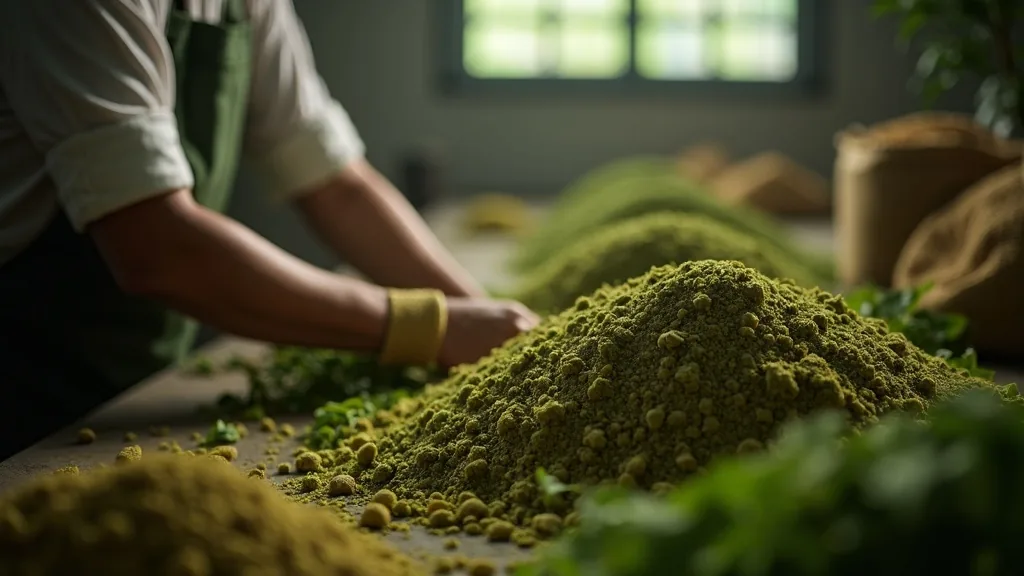
The aroma of kratom leaves fills the air as farmers in the lush landscapes of Indonesia gather their produce for the day. Each leaf carries the weight of economic potential, connecting local communities to international markets.
How is value distributed along the Indonesian kratom supply chain?
Value distribution in the Indonesian kratom supply chain is multifaceted, with several stakeholders involved. Farmers, particularly in West Kalimantan, receive a fraction of the final retail price, often between 15% to 25% of the retail value. For instance, if kratom is sold for $100 per kilogram in international markets, farmers might earn between $15 to $25. Middlemen play a crucial role in this structure, purchasing kratom directly from farmers and selling it to exporters. This can lead to significant price markups, sometimes exceeding 100% before reaching the consumer. Additionally, export fees, taxes, and certification costs also impact the final price, leaving farmers with limited profit margins.
What role do cooperatives and middlemen play in West Kalimantan kratom sourcing?
Cooperatives and middlemen play a vital role in the sourcing of kratom in West Kalimantan. Cooperatives, such as the Koperasi Petani Indonesia (KPI), empower farmers by providing fair trading practices and collective bargaining power. They can significantly enhance farmers’ income by offering better prices than individual sales. Middlemen, on the other hand, often dominate the market, purchasing kratom in bulk from farmers and handling logistics for export. This dual structure can either hinder or help farmer income, depending on the fairness of transactions. In many cases, cooperatives can negotiate terms that favor farmers, ensuring that they receive a more equitable share of the profits.
How do farm-gate prices translate into FOB export prices for kratom?
Farm-gate prices for kratom represent the price farmers receive at their farms, while FOB (Free on Board) export prices include additional costs incurred before shipping. In West Kalimantan, farm-gate prices can range from IDR 60,000 to IDR 100,000 ($4 to $7) per kilogram, depending on quality and demand. Once the kratom leaves the farm, costs for processing, packaging, and transport to export hubs in Bali or Jakarta are added. As a result, FOB prices can reach IDR 150,000 to IDR 250,000 ($10 to $17) per kilogram, depending on market demand and negotiations with exporters. This price escalation highlights the importance of efficient supply chain management to minimize costs and maximize farmer benefits.
Which regions act as consolidation hubs before kratom is shipped from Bali or Jakarta?
Before kratom is exported from Indonesia, consolidation hubs play a crucial role in aggregating product volumes. Regions like Medan and Surabaya serve as key consolidation points for kratom sourced from various parts of Indonesia, including West Kalimantan. These hubs facilitate the bulk collection of kratom, where quality control and packaging take place before shipment. From these locations, kratom is then transported to major airports or seaports in Bali or Jakarta for international shipping. The consolidation process not only streamlines logistics but also helps in maintaining consistent quality, which is essential for meeting the demands of markets such as the European Union.
Understanding the economic landscape for kratom farmers in West Kalimantan
The economic landscape for kratom farmers in West Kalimantan is shaped by various factors, including market demand, cultivation practices, and regional policies. On average, kratom farmers earn between IDR 2,000,000 to IDR 5,000,000 ($140 to $350) per month, depending on their yield and market conditions. The seasonal nature of kratom cultivation, with peak harvests during the dry season from May to September, impacts income stability. Additionally, local government initiatives aimed at supporting sustainable farming practices can further enhance farmer incomes by promoting higher quality kratom, thus commanding better prices in the export market.
The impact of international regulations on the Indonesian kratom trade
International regulations significantly influence the Indonesian kratom trade, particularly as countries like the United States and members of the European Union assess kratom’s safety and legality. In Indonesia, kratom is legally cultivated and exported, but potential bans in key markets pose risks to farmers and exporters alike. The necessity for certifications, such as Good Agricultural Practices (GAP), is increasingly becoming a requirement for exporters to assure buyers of product quality and safety standards. As a result, navigating these regulations is crucial for maintaining access to lucrative markets and ensuring the sustainability of the kratom industry.
For further information about the Indonesian kratom industry, you can explore resources such as Indonesia Travel, UNESCO, and Wikipedia on Kratom.
To learn more about sourcing and exporting kratom, visit our homepage or check out our guide on supply chain mapping kratom Indonesia. If you’re looking to navigate the intricacies of the kratom industry, contact the team for expert insights and assistance.
Planning specifics? See compliance documentation for indonesian kratom exports what eu or see current rates.