FAQ: Regulatory and Trade‑Compliance Questions on Indonesian Kratom for EU Importers
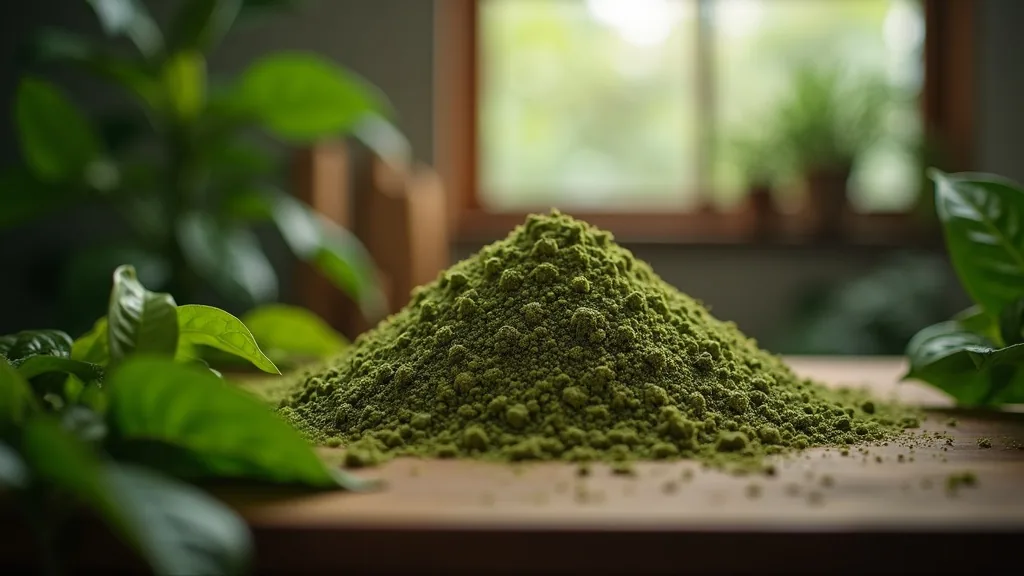
The aroma of kratom wafts through Bali’s verdant plantations, where meticulous farmers cultivate each leaf with care, reflecting Indonesia’s rich botanical heritage.
Is kratom classified as a controlled substance at the EU level?
Kratom is not uniformly classified as a controlled substance across the European Union. While it remains legal in some member states, others have placed restrictions on its sale and use. Countries such as Germany and Poland have enacted specific laws regulating its status, and in some instances, kratom is categorized under narcotics legislation. As of now, the European Monitoring Centre for Drugs and Drug Addiction has not listed kratom as a controlled substance at the EU level, but compliance with local laws is essential for importers.
– Kratom’s active compounds, mitragynine and 7-hydroxymitragynine, are often scrutinized by health authorities.
– The legal status can change, so continuous monitoring of EU regulations is crucial.
– Importers must ensure that their products comply with the EU Novel Food Regulation if they are marketed for consumption.
Can kratom be imported into the EU for research or industrial purposes?
Yes, kratom can be imported into the EU for research or industrial purposes, but strict regulatory compliance is mandatory. Importers must secure the necessary permits and ensure that their products meet the safety and quality standards outlined by the European Food Safety Authority (EFSA). Many research institutions and companies are interested in kratom for its potential applications in medicinal research, which can facilitate importation provided all legal prerequisites are met.
– Import permits may require documentation detailing the intended use of kratom.
– Importers should be prepared to present laboratory analyses confirming product safety.
– Compliance with local regulations is vital; different EU countries may have varying requirements.
What are typical lead times from contract signing to first kratom delivery?
The lead time from contract signing to the first delivery of kratom can vary significantly, typically ranging from 4 to 12 weeks. This timeframe accounts for several factors, including production, quality control, shipping logistics, and customs clearance. Indonesian suppliers, particularly those based in Bali or West Kalimantan, often need time to cultivate and process the kratom to meet the quality standards desired by European importers.
– Suppliers might require 2-4 weeks for cultivation, depending on the season and strain.
– Shipping from Indonesia to major EU ports generally takes about 3-6 weeks.
– Customs clearance can add additional time, so timely documentation is essential.
Which red-flag clauses should EU buyers avoid in kratom supply agreements?
EU buyers should be cautious about several red-flag clauses in kratom supply agreements. Clauses that impose unreasonable liability limits or excessively vague quality specifications can lead to disputes and losses. Additionally, terms that obscure the traceability of the product or lack compliance with EU regulations should be avoided. Buyers must ensure clarity in all contractual obligations to protect their interests and ensure legality.
– Avoid clauses that limit the supplier’s responsibility for product quality.
– Ensure any sustainability claims are backed by verifiable evidence.
– Look for clear definitions of product specifications to avoid misunderstandings.
Understanding the Compliance Landscape for EU Kratom Imports
compliance landscape for kratom imports into the EU is complex. Importers must be aware of differing national regulations and the potential implications for their business. Countries like Austria and the Netherlands have specific guidelines that may differ from the broader EU framework. Being proactive and informed about legislative changes is crucial for ensuring ongoing compliance and maintaining a successful import operation.
– Each EU member state has its own regulatory body governing the import of kratom.
– Regular updates from the European Commission and local health authorities are vital.
– Non-compliance can lead to severe penalties, including product seizure and fines.
Market Trends and Pricing Insights for EU Kratom Trade
The kratom market in the EU is steadily growing, with increasing interest from both consumers and businesses. Prices for kratom can vary widely based on strain, quality, and sourcing practices. On average, bulk kratom imports can range from $100 to $300 per kilogram (1,500,000 to 4,500,000 IDR), influenced by factors such as market demand and shipping costs. Staying informed about market trends and pricing can help EU importers negotiate favorable terms.
– High-quality kratom strains often command higher prices due to cultivation challenges.
– Transportation and logistics costs can significantly affect final pricing.
– Importers should consider fluctuations in exchange rates when budgeting.
What Resources Are Available for EU Kratom Importers?
EU kratom importers can benefit from a variety of resources to ensure compliance and informed decision-making. Government websites such as the European Commission and national regulatory bodies provide valuable guidelines. Additionally, industry associations and trade shows offer networking opportunities and insights into best practices. Staying connected with these resources is essential for maintaining compliance and understanding market dynamics.
– Websites like European Commission offer up-to-date regulatory information.
– Trade organizations often publish compliance guidelines and industry reports.
– Networking at events can provide insights into best practices and supplier options.
For more detailed regulations and compliance resources, EU importers can visit Wikipedia for an overview of kratom’s legal status or consult Indonesia’s tourism board for insights into sourcing practices.
If you have more questions or need assistance, please contact the team at Bali Kratom Export for further guidance and support.
Planning specifics? See compliance documentation for indonesian kratom exports what eu or bali kratom export booking.