Is bali kratom export safe for European buyers?
- Compliance with EU novel food laws
- Strict GMP processing and lab testing for quality assurance
- Understanding the evolving landscape of member-state legality
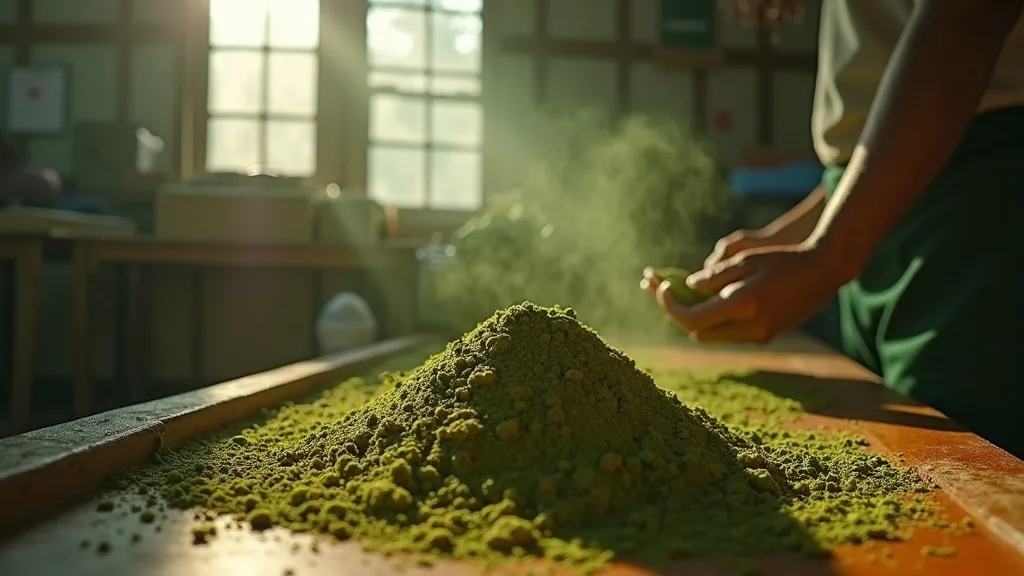
As the sun rises over the lush landscapes of West Kalimantan, the air is filled with the rich aroma of kratom leaves being processed for export. European buyers are increasingly curious about the safety and legitimacy of Bali kratom export, a topic that requires an informed understanding of the landscape surrounding Indonesian kratom production and export regulations. The time has come for European businesses to navigate this complex market, equipped with the intelligence needed to ensure compliance and quality.
The Regulatory Landscape for Kratom in Indonesia
Understanding the regulatory framework surrounding kratom exports from Indonesia is crucial for European buyers. The Indonesian government has established strict regulations governing the cultivation and export of kratom (Mitragyna speciosa), primarily to ensure sustainable practices and quality control. As of 2024, the government aims to implement policies that further standardize production, which will impact how kratom is sourced and exported. Buyers must stay informed about these regulations, particularly in relation to the EU’s novel food legislation, which is evolving to address kratom’s status as a consumable product.
Compliance with the Indonesian Ministry of Agriculture and the regulations set forth by the national drug authority is essential. This includes adhering to guidelines that promote sustainable sourcing practices, particularly in regions like West Kalimantan, known for its rich biodiversity. Ensuring that suppliers are compliant with both Indonesian and European laws is paramount to a safe and successful import process.
Understanding EU Novel Food Regulations
The European Union has established a comprehensive set of regulations known as the EU Novel Food Regulation, which governs the import and sale of new food products not widely consumed in the EU prior to 1997. Kratom falls into this category, necessitating a thorough understanding of its legal status across member states.
As of 2024, the EU is expected to provide clearer guidelines on kratom, including specific safety assessments and requirements for importation. For European B2B buyers, this means staying updated on individual member state regulations and any changes to the overarching EU framework. Importantly, sourcing kratom from suppliers who conduct rigorous lab testing for alkaloid content, heavy metals, and microbial presence is critical to ensuring compliance with these regulations.
Buyers should consult resources like Wikipedia for an overview of the novel food category and stay connected to industry updates to navigate these evolving legal landscapes effectively.
Good Manufacturing Practices (GMP) and Lab Testing
One of the cornerstones of safe kratom export is adherence to Good Manufacturing Practices (GMP). This ensures that the kratom sourced from Indonesia meets international safety and quality standards. European buyers should prioritize suppliers who are GMP certified, indicating that they follow stringent processes to maintain quality throughout production.
Additionally, lab testing is an essential component of ensuring product safety. This includes testing for alkaloid profiles, which are critical in determining the potency of the kratom, as well as screening for heavy metals and microbes that could pose health risks. Kratom exporters should provide certificates of analysis (CoA) for their products, confirming that the material has been tested and meets the required safety standards.
Investing in suppliers who prioritize GMP and lab testing not only ensures safety but also enhances the credibility of European businesses in the kratom market. For comprehensive insights into pricing and costs associated with kratom sourcing, refer to our Bali Kratom Export Pricing & Cost Guide.
Quality Grades and Sourcing Practices
The quality of kratom can vary significantly depending on the sourcing practices employed by exporters. Buyers should familiarize themselves with the different quality grades available in the market, as this will affect both pricing and consumer satisfaction. High-quality kratom is typically sourced from mature leaves, which are hand-picked to ensure optimal alkaloid content.
Sustainable sourcing practices are particularly important, especially in regions like West Kalimantan, where biodiversity is rich but vulnerable. Suppliers should demonstrate a commitment to sustainability by employing responsible harvesting techniques that do not harm local ecosystems. This not only preserves the natural habitat but also ensures a consistent supply of high-quality kratom for European buyers.
Additionally, buyers should engage with suppliers who are transparent about their sourcing practices and can provide documentation of their sustainability efforts. Understanding the various grades of kratom, from premium to standard, allows businesses to make informed purchasing decisions that align with their market strategies.
Logistics and Compliance Documentation
Logistics play a critical role in the kratom export process, impacting the timely delivery and overall safety of the product. European buyers must understand the logistics involved in importing kratom from Indonesia, including compliance documentation required at customs. This documentation typically includes certificates of origin, phytosanitary certificates, and any relevant safety certifications.
Using Incoterms is essential for defining the responsibilities of buyers and sellers in the shipping process. Choosing the appropriate Incoterm can mitigate risks and clarify expectations regarding shipping costs, insurance, and delivery timelines. Commonly used Incoterms in kratom export include FOB (Free on Board) and CIF (Cost, Insurance, and Freight), which dictate how costs and responsibilities are shared between the exporter and the buyer.
Establishing clear communication with logistics partners and ensuring that all compliance documentation is in order will facilitate smoother shipping processes and reduce delays at customs. For more information on booking logistics for kratom exports, check our Bali Kratom Export service page.
Industry Insights: Trends and Future Outlook
As the kratom export market evolves, European buyers should be aware of emerging trends and potential future developments. The demand for kratom products has been steadily increasing, driven by growing interest in natural and herbal alternatives. This trend presents both opportunities and challenges, particularly regarding regulatory compliance and market competition.
Looking ahead to 2024-2026, buyers can expect more stringent regulations regarding the sale and distribution of kratom within the EU. This may include additional safety assessments and documentation requirements. Staying ahead of these changes will be crucial for businesses looking to maintain a competitive edge in the market.
Furthermore, the emphasis on sustainability will continue to shape the industry. Buyers who prioritize eco-friendly sourcing practices and transparency will likely resonate more with consumers and regulatory bodies alike. Engaging with suppliers committed to sustainability and ethical practices will not only enhance brand reputation but also contribute positively to the industry as a whole.
Quick FAQ
Q: Is Bali kratom export safe for consumers?
A: This article focuses on B2B trade compliance. For consumer safety, it’s crucial to ensure that products meet EU regulations.
Q: What are the risks associated with importing kratom?
A: Risks include regulatory non-compliance, poor product quality, and logistical challenges. Thorough vetting of suppliers is essential.
Q: How can buyers ensure quality in kratom products?
A: Buyers should seek suppliers who provide lab testing results, GMP certification, and clear quality grading.
Q: What should I know about sustainability in kratom sourcing?
A: Sustainable sourcing practices are vital for environmental preservation and can enhance product quality. Choose suppliers who prioritize these practices.
For European buyers considering the kratom market, the safety and compliance of Bali kratom export hinge on informed decision-making and strong supplier relationships. By understanding the regulations, sourcing sustainably, and ensuring quality through rigorous testing and certification, businesses can navigate the complexities of this market successfully. To learn more about how Bali kratom export can benefit your business, visit Bali Kratom Export today.