3-day logistics route guide for bali kratom export
- Understanding the regulatory framework of Indonesian exports.
- Implementing sustainable sourcing practices in West Kalimantan.
- Ensuring compliance with EU novel food regulations and lab testing standards.
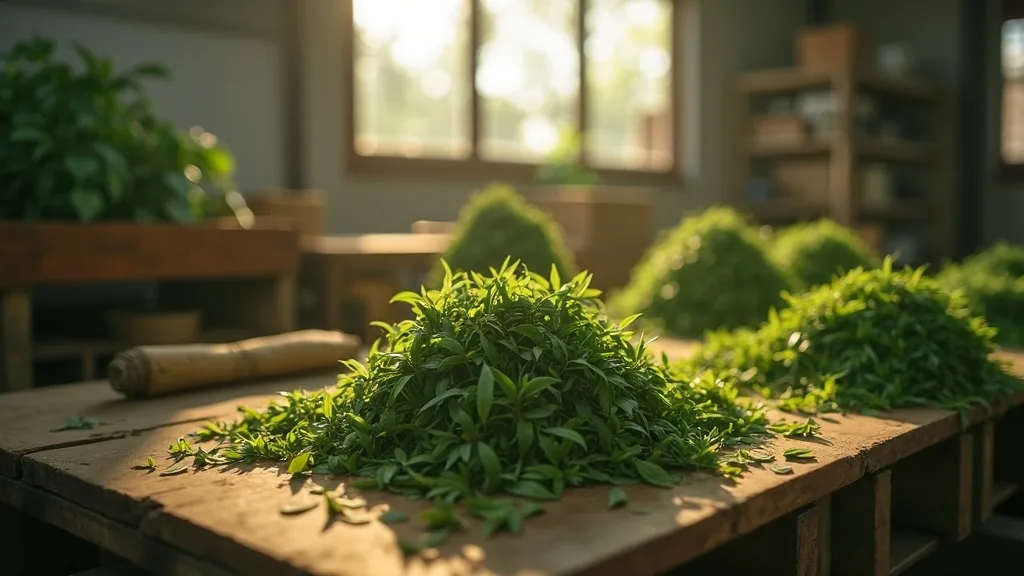
The sun rises over the lush landscapes of Bali, casting a warm glow on the vibrant green leaves of the kratom trees. As the morning mist dissipates, the air fills with the rich aroma of freshly harvested kratom leaves, signaling the start of a new day in the Indonesian kratom export industry. For B2B buyers in Europe, understanding the logistics route for Bali kratom export is essential to navigate the complex web of regulations, quality standards, and sustainable sourcing practices that govern this burgeoning market. In this guide, we will into the intricacies of the logistics route, highlighting key considerations for European buyers looking to source high-quality kratom from Indonesia.
Understanding Indonesian Export Regulations
Exporting kratom from Indonesia is subject to a variety of regulations that are continually evolving. The Indonesian government has implemented strict guidelines to ensure the sustainable harvesting and export of Mitragyna speciosa. As of 2024, significant changes are anticipated in the regulatory landscape, particularly concerning the export of kratom products. The Ministry of Trade in Indonesia has been actively working on regulations that will affect how kratom is processed, exported, and marketed internationally.
Additionally, it is crucial for exporters to remain compliant with local laws, which require documentation such as export permits, health certifications, and quality control certificates. B2B buyers should prioritize sourcing partners who are well-versed in these regulations, ensuring smooth transactions and adherence to compliance requirements. Failure to comply with these regulations can lead to delays, fines, and even the suspension of export licenses.
The 2024-2026 Policy Timeline
The policy landscape for kratom exports is expected to shift significantly between 2024 and 2026. Observers note that the Indonesian government is likely to introduce more stringent quality control measures aimed at improving the overall safety and efficacy of kratom products. This includes mandatory lab testing for alkaloids, heavy metals, and microbial contaminants. European buyers should keep abreast of these developments, as they will directly impact the quality and legality of kratom sourced from Indonesia.
In particular, the introduction of Good Manufacturing Practices (GMP) in the kratom processing sector is a key focus. Compliance with GMP standards will become increasingly critical for businesses aiming to tap into the European market. B2B buyers should establish relationships with suppliers who can demonstrate adherence to these standards, as it will be a critical factor in ensuring product quality and safety.
EU Novel-Food Landscape
The European Union’s classification of kratom as a novel food presents unique challenges and opportunities for exporters. According to EU regulations, kratom must undergo rigorous safety assessments before it can be marketed in member states. This includes comprehensive lab testing to evaluate the product’s alkaloid profile and potential contaminants.
As of 2024, it is expected that EU member states will finalize their positions on kratom’s legality, which may vary across countries. For example, while some countries may embrace kratom as a legitimate food supplement, others could impose restrictions or bans. B2B buyers should conduct thorough research on the specific regulations applicable in their target markets, engaging with legal experts to navigate the complexities of compliance and market entry.
Quality Grades and Lab Testing Standards
Quality assurance is paramount in the kratom export industry. For European buyers, understanding the different quality grades of kratom is essential for making informed purchasing decisions. Kratom is typically categorized into several grades based on factors such as leaf maturity, processing techniques, and alkaloid content. Common grades include white, green, and red vein kratom, each offering distinct characteristics and effects.
Lab testing is a critical component of the quality assurance process. Exporters must provide documentation proving that their products have been tested for alkaloid content, heavy metals, and microbial contamination. This not only ensures compliance with EU regulations but also builds trust with buyers. B2B buyers should request lab test results before finalizing any purchase, ensuring that the kratom meets both safety and quality standards.
Sustainable Sourcing Practices in West Kalimantan
As awareness of environmental issues grows, sustainable sourcing practices are becoming increasingly important in the kratom export sector. The majority of kratom exported from Indonesia is sourced from West Kalimantan, a region rich in biodiversity. However, unsustainable harvesting practices pose a threat to the local ecosystem.
Bali Kratom Export is committed to promoting sustainable sourcing practices, ensuring that kratom is harvested responsibly and ethically. This includes collaborating with local farmers who adhere to sustainable harvesting techniques that protect the environment and support local communities. B2B buyers should prioritize suppliers who demonstrate a commitment to sustainability, as this not only contributes to environmental preservation but also enhances the brand’s reputation in the marketplace.
Logistics and Incoterms
Logistics play a crucial role in the successful export of kratom from Indonesia to Europe. Understanding the various logistics routes and Incoterms is essential for ensuring timely delivery and minimizing costs. The primary logistics route typically involves transporting kratom from the harvesting sites in West Kalimantan to processing facilities in Bali, followed by shipping to European ports.
Key Incoterms to consider include Ex Works (EXW), Free Carrier (FCA), and Cost, Insurance, and Freight (CIF). Each term defines the responsibilities of buyers and sellers at various stages of the shipping process. B2B buyers should work closely with logistics partners who are experienced in handling kratom shipments, as this can significantly impact the efficiency of the export process.
Quick FAQ
Q: What are the key regulations for exporting kratom from Indonesia?
A: Key regulations include obtaining export permits, health certifications, and compliance with local laws regarding sustainable harvesting.
Q: How can I ensure the quality of kratom sourced from Indonesia?
A: Request lab test results confirming alkaloid content and absence of contaminants, and verify adherence to GMP standards.
Q: What should I know about EU regulations on kratom?
A: Kratom is considered a novel food in the EU, requiring safety assessments and compliance with specific member-state regulations.
Q: How important is sustainable sourcing in the kratom industry?
A: Sustainable sourcing is critical for environmental preservation and building a trustworthy brand reputation among consumers.
In the ever-evolving landscape of the kratom export industry, staying informed and engaged with regulatory changes is essential for European B2B buyers. By understanding the logistics route for Bali kratom export, buyers can navigate the complexities of sourcing high-quality kratom while ensuring compliance with international standards. For further insights into pricing, quality grades, and comprehensive export guidelines, visit Bali Kratom Export Pricing & Cost Guide and The Definitive Bali Kratom Export Guide. To facilitate your kratom sourcing journey, explore our services at Book Bali Kratom Export and discover how we can support your business needs.
For ongoing updates and insights into the kratom export industry, please visit Bali Kratom Export. Your trusted partner in complexities of the Indonesian kratom market awaits.