Best Time for Bali Kratom Export

Bali Kratom Export refers to the trade of Mitragyna speciosa, commonly known as kratom, sourced from Indonesia, particularly Bali and West Kalimantan. This industry is essential for B2B buyers across Europe, offering insights into export regulations, quality grades, and sustainable sourcing practices.

  • Calibrated to meet EU novel-food regulations.
  • Focus on GMP processing and rigorous lab testing.
  • Emphasis on sustainable sourcing practices from West Kalimantan.

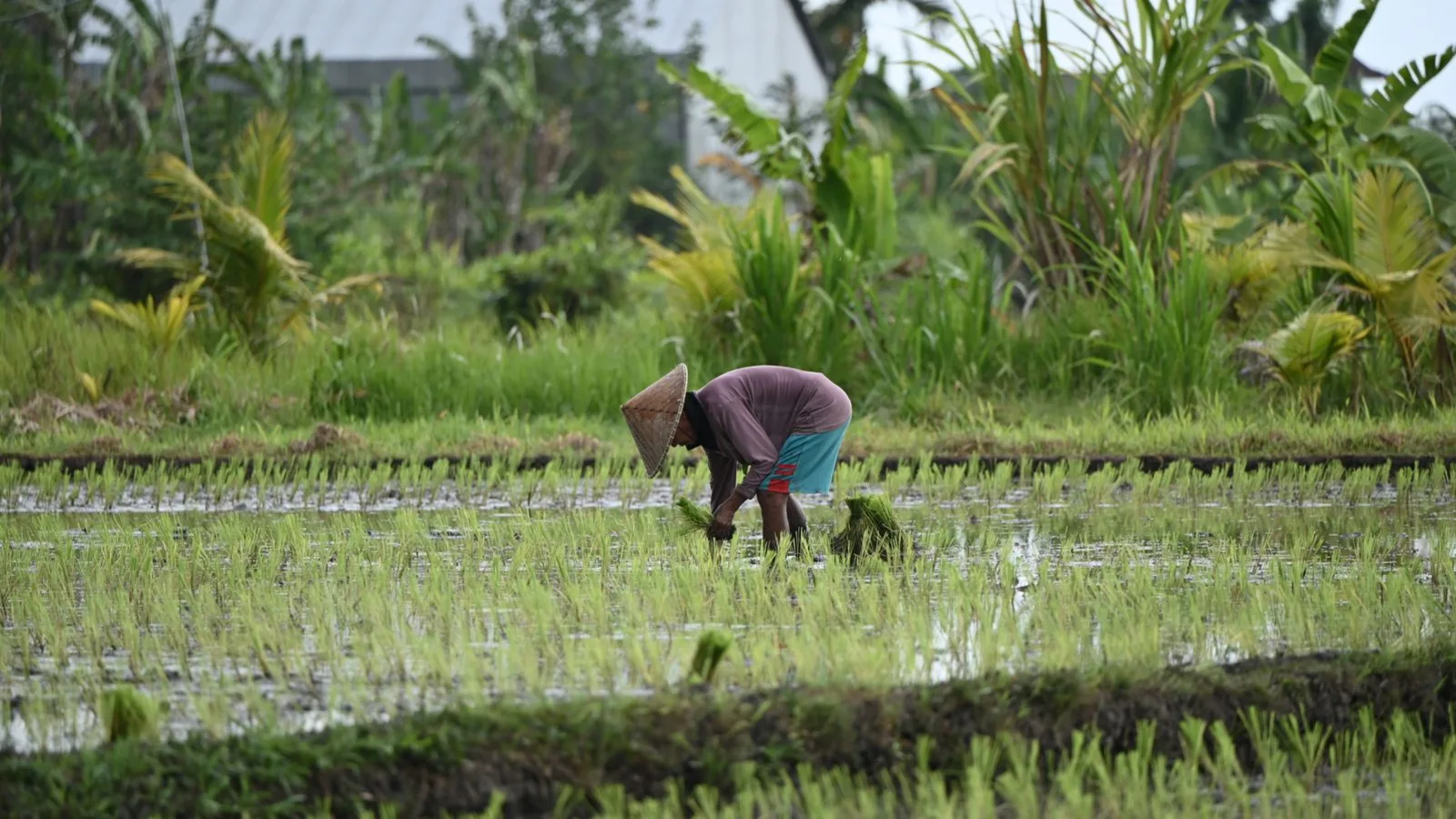
As the sun rises over lush green hills and the gentle breeze carries the scent of the sea, the rich landscape of Bali becomes a bustling hub for kratom export. Each month brings unique weather patterns, marine conditions, and market dynamics that affect the Bali kratom export industry. Understanding these factors is essential for European B2B buyers to optimize their purchasing decisions and navigate the complex landscape of Indonesian regulations.

January: The Start of the Wet Season

In January, Bali experiences significant rainfall, marking the peak of the wet season. The humidity is high, and daily temperatures hover around 30°C (86°F). This month often sees lower export volumes due to challenging harvesting conditions on the plantations, which can impact pricing. However, the rain nourishes the kratom trees, ensuring that the upcoming harvest is of high quality.

Weather Impact

The heavy rains can lead to increased soil moisture, benefiting the growth of kratom leaves. However, the muddy conditions may hinder accessibility to harvesting sites, resulting in delays in supply. Buyers should be aware that prices may fluctuate due to these conditions.

Marine Conditions

January’s ocean conditions are often rough, affecting shipping schedules. Expect potential delays in logistics, particularly for orders that require sea transport. It’s advisable for buyers to plan ahead and account for these potential delays when scheduling shipments.

February: Transitioning Weather Patterns

As the month progresses, rainfall begins to taper off gradually. Temperatures remain consistent, and the humidity starts to drop slightly. This transitional period allows farmers to begin harvesting again, leading to a potential increase in supply. For B2B buyers, February may present a favorable window to purchase Bali kratom at competitive prices.

Harvesting Opportunities

February marks a critical time for harvesting quality kratom leaves. The trees, having absorbed ample moisture, produce leaves rich in alkaloids, which are essential for the export market. It is crucial for buyers to engage with suppliers to ensure that they are sourcing the best quality available.

Pricing Trends

Prices in February can be more favorable compared to January due to increased supply. On average, kratom prices may decrease by 10-15% as harvest volumes rise. Buyers should monitor market trends closely to capitalize on these opportunities.

March: Peak Harvest Season

March is considered one of the best months for Bali kratom export. The dry season begins, leading to optimal harvesting conditions. Farmers are able to collect high-quality leaves, which are then processed for export. This month typically sees the highest volume of kratom exports, making it an ideal time for B2B buyers to stock up.

Quality Assurance

With optimal harvesting conditions, buyers can expect high-quality kratom strains, rich in alkaloids. It is advisable to request lab testing reports from suppliers to ensure compliance with international standards, particularly concerning alkaloid content and heavy metals.

Logistics and Shipping

March also offers favorable marine conditions. The seas are generally calmer, allowing for more reliable shipping schedules. B2B buyers can expect quicker transit times, typically ranging from 7-14 days from Bali to major European ports.

April: A Shift Towards the Dry Season

April marks the transition into a more stable dry season. The weather is pleasant, with lower humidity and temperatures averaging around 28°C (82°F). This month sees continued high export volumes as farmers take advantage of favorable conditions for harvesting. Pricing tends to stabilize, making it a strategic month for procurement.

Compliance Documentation

As export volumes increase, it is crucial for buyers to ensure that all compliance documentation is in order. This includes phytosanitary certificates and compliance with EU novel-food regulations. Failure to secure proper documentation can delay shipments and impact business operations.

Sustainable Sourcing Practices

April is a key month for buyers to inquire about the sustainability of their kratom sources. Ensuring that suppliers adhere to ethical harvesting practices is vital not only for compliance but also for maintaining quality. Sustainable sourcing from West Kalimantan contributes to both the environmental and social aspects of the industry.

May: Preparing for Peak Demand

As the year progresses into May, the dry season continues, and the kratom market sees an uptick in demand due to increased awareness of Bali kratom in Europe. By this time, B2B buyers should be preparing for peak purchasing seasons that typically occur in the summer months.

Market Awareness

May is an excellent month for buyers to engage in market research and networking. Establishing relationships with reliable suppliers can provide a competitive edge. Attending trade shows and expos focused on kratom can provide valuable insights into market trends and innovations.

Pricing Strategies

Pricing in May may begin to rise as demand increases. Buyers should plan purchasing strategies accordingly, considering bulk orders to secure favorable pricing. Engaging in long-term contracts with suppliers during this period can also mitigate potential price increases.

June to August: Peak Season and Increased Demand

The months of June through August represent the peak export season for Bali kratom. European demand surges during summer as businesses prepare for increased sales. Export volumes are at their highest, and logistics can become strained due to the high demand.

Supply Chain Management

Logistics can become complex during these months. Buyers must ensure that their supply chain management is robust, with clear communication with suppliers regarding expectations and timelines. It may be beneficial to secure early shipments to avoid delays as demand peaks.

Quality Control Measures

As the demand for kratom increases, it is essential for buyers to maintain stringent quality control measures. Requesting regular lab tests and ensuring that suppliers adhere to Good Manufacturing Practices (GMP) can help safeguard quality. The focus should remain on sourcing high-potency kratom that meets European standards.

September: The Shift Towards the End of the Year

As the summer months conclude, September signals a shift back to the wet season. Rainfall begins to increase, affecting harvesting conditions. B2B buyers should prepare for a potential decrease in supply and adjust their procurement strategies accordingly.

Harvesting Challenges

With increased rainfall, harvesting conditions can become challenging, leading to lower quality and quantity of kratom leaves. It is crucial for buyers to communicate closely with suppliers to understand the implications of weather on harvests and plan their orders accordingly.

Market Adjustments

Pricing may reflect the decreased supply, with an expected increase of 5-10%. Buyers should be proactive in securing orders early in the month to avoid higher prices later on. Monitoring market conditions and adjusting procurement strategies will be key during this transition period.

October to December: Preparing for the New Year

As the year draws to a close, October through December typically sees a decrease in kratom exports due to the onset of the wet season. However, this period can also provide opportunities for strategic planning in anticipation of the upcoming year.

Winter Pricing Dynamics

Prices may stabilize or even decrease slightly as supply diminishes. Buyers should take this opportunity to negotiate contracts for the upcoming year, securing favorable terms before the market shifts again in January.

Compliance and Regulations

With changes in Indonesian export regulations anticipated for 2024-2026, it is crucial for B2B buyers to stay informed on compliance requirements. Engaging with legal experts and industry associations can help navigate the evolving regulatory landscape and ensure adherence to all necessary documentation and standards.

Understanding the month-by-month seasonality of Bali kratom export is vital for European B2B buyers aiming to optimize their procurement strategies. By being aware of weather patterns, market dynamics, and compliance regulations, buyers can make informed decisions that enhance their supply chain efficiency. As the kratom industry continues to evolve, staying ahead of market trends will be instrumental in maintaining a competitive edge.

For more information on Bali kratom export and to stay updated on industry developments, consider visiting our homepage or exploring our resources on compliance and sustainable sourcing practices.

Engage with us today to secure your position in the growing Bali kratom export market and ensure that your procurement strategies are aligned with the latest industry insights.
💬