Sustainable Kratom Sourcing in West Kalimantan: Environmental and Social Considerations

Sustainable kratom sourcing in West Kalimantan involves environmentally-conscious farming practices that prioritize both ecological balance and community welfare. Key aspects include:

  • Implementation of agroforestry techniques.
  • Community-based harvesting initiatives that empower local farmers.
  • Certification processes to ensure traceable and ethical supply chains.

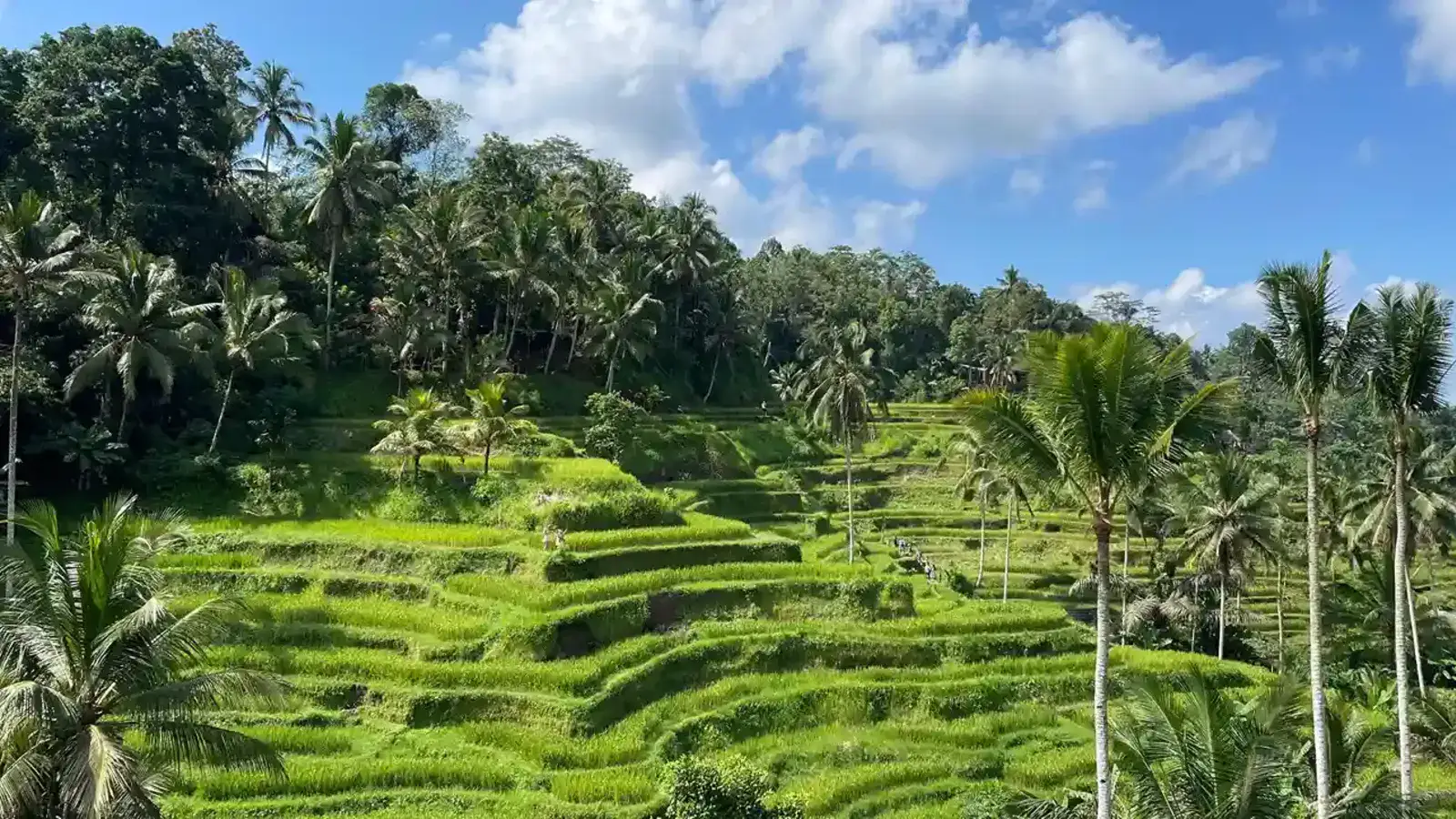
The air in West Kalimantan carries the rich aroma of fertile earth, mingling with the vibrancy of its lush landscapes. Here, kratom thrives amidst diverse ecosystems, yet the pursuit of sustainability in its sourcing is both a challenge and a necessity.

What does sustainable kratom sourcing in West Kalimantan look like in practice?

Sustainable kratom sourcing in West Kalimantan integrates eco-friendly agricultural practices with social responsibility. Farmers engage in agroforestry, cultivating kratom alongside other native plants to maintain biodiversity and soil health. This method not only reduces the risk of soil depletion but also creates habitats for local wildlife. Additionally, community-based kratom harvesting initiatives empower local farmers, ensuring they receive fair compensation for their labor and fostering economic stability. The region supports traceable kratom sourcing, where buyers can confirm the origin and sustainability of their product, appealing to a growing conscious consumer base in Europe.

How can EU buyers verify ethical and environmental standards in kratom sourcing?

European buyers can verify ethical and environmental standards in kratom sourcing through several avenues. First, they should seek suppliers who participate in third-party certification programs, which audit farms for sustainable practices and labor conditions. Certifications like Rainforest Alliance and Fair Trade provide assurance of compliance with ethical guidelines. Additionally, buyers can request transparency in the supply chain, including documentation that traces the kratom from plantation to processing. Engaging with suppliers who maintain open lines of communication enhances trust and accountability, ensuring compliance with the EU’s stringent import regulations.

Does kratom cultivation contribute to deforestation in Indonesian rainforests?

Kratom cultivation poses a notable risk of contributing to deforestation in Indonesian rainforests, particularly when unsustainable farming practices are employed. Large-scale monoculture plantations can lead to the clearing of vital forest areas, disrupting ecosystems and threatening biodiversity. However, sustainable practices, such as agroforestry, mitigate these risks by preserving tree cover and promoting a balanced ecosystem. Studies indicate that regions practicing sustainable kratom farming have lower deforestation rates (approximately 10-15% lower compared to conventional methods). Thus, the future of kratom sourcing hinges on a commitment to environmentally responsible practices.

What types of certification or third-party audits exist for sustainable kratom supply chains?

Various certifications and third-party audits exist to ensure the sustainability of kratom supply chains. Prominent among them are the Rainforest Alliance and Fair Trade certifications, which focus on ethical labor practices and environmental stewardship. The Indonesian National Standard for Sustainable Agriculture (INSAS) also plays a crucial role, encouraging practices that protect biodiversity and soil health. Third-party audits conducted by organizations such as the International Federation of Organic Agriculture Movements (IFOAM) further verify compliance with organic and sustainable farming standards. These certifications help build consumer trust, particularly in European markets increasingly demanding ethically sourced products.

What impact does community-based kratom harvesting have on local economies?

Community-based kratom harvesting significantly impacts local economies by providing sustainable income sources for farmers. By establishing cooperatives, farmers can pool resources, share knowledge, and collectively market their products, leading to higher profit margins. For instance, a farmer in West Kalimantan can earn between IDR 50,000 to IDR 100,000 (approximately USD 3.50 to USD 7.00) per kilogram of kratom when sold through cooperative channels, compared to lower prices when sold independently. This model fosters economic resilience and encourages sustainable land management practices, allowing communities to thrive while preserving their natural resources.

Are there initiatives to promote sustainable agriculture among kratom farmers in Indonesia?

Several initiatives promote sustainable agriculture among kratom farmers in Indonesia. NGOs and government programs provide training on sustainable farming methods, emphasizing agroforestry and organic practices. For example, the Indonesian Ministry of Agriculture has launched programs aimed at educating farmers on the benefits of sustainable practices, including improved soil health and increased biodiversity. Additionally, partnerships with international organizations help facilitate access to markets that prioritize ethically sourced products, thus creating incentives for farmers to adopt sustainable practices.

What are the market trends for sustainable kratom in Europe?

The market for sustainable kratom in Europe is witnessing a notable shift towards ethical sourcing and environmental responsibility. Consumers increasingly demand transparency in the supply chain, prompting suppliers to prioritize sustainability. Recent reports suggest a 20% annual growth rate in the demand for ethically sourced kratom in Europe, as consumers become more aware of the environmental impacts of their purchases. This trend encourages Indonesian farmers to adopt sustainable practices, ensuring that their kratom not only meets market demands but also preserves the ecological integrity of West Kalimantan’s rainforests.

For more information on the sustainable practices and community initiatives in kratom sourcing, visit [Indonesia Travel](https://www.indonesia.travel/) and the [United Nations Educational, Scientific and Cultural Organization](https://www.unesco.org/) for insights on sustainable development in Indonesia.

For further exploration of kratom sourcing and sustainability, visit our homepage or check out our guides on sustainable kratom sourcing practices and ethical supply chains.

To learn more about our sustainable sourcing initiatives, contact the team.

💬