Shipping Indonesian Kratom to Europe: Logistics, Incoterms, and Main Export Routes

Shipping Indonesian kratom to Europe involves navigating complex logistics, understanding Incoterms, and selecting optimal export routes. Key facts include: 1) Common Incoterms for kratom include FOB (Free on Board) and DAP (Delivered at Place). 2) Major sea freight routes connect Bali and Surabaya to European ports like Rotterdam. 3) Transit times vary significantly between Bali and Jakarta, with air freight being faster but costlier.

The scent of fresh kratom fills the air as shipments prepare for their long journey to Europe, traversing vast oceans and complex logistics. This article explores the essential factors surrounding kratom shipping from Indonesia, focusing on Incoterms, export routes, and logistical considerations.

Which Incoterms are most commonly used for bulk kratom exports to Europe?

When exporting kratom from Indonesia to Europe, understanding Incoterms is crucial for defining responsibilities between buyers and sellers. The two most prevalent Incoterms in kratom exports are Free on Board (FOB) and Delivered at Place (DAP). FOB indicates that the seller is responsible for the kratom until it reaches the shipping port in Indonesia, while the buyer assumes responsibility once the shipment is on board. This term is commonly used in sea freight scenarios, particularly from Bali or Surabaya to various European destinations.

In contrast, DAP places the onus on the seller for all costs and risks until the goods arrive at the buyer’s specified location in Europe. This term is increasingly favored for air freight shipments, particularly when speed is critical. Understanding these terms can significantly impact the overall cost and risk assessment of kratom shipments.

What are typical sea and air freight routes for kratom from Indonesia to the EU?

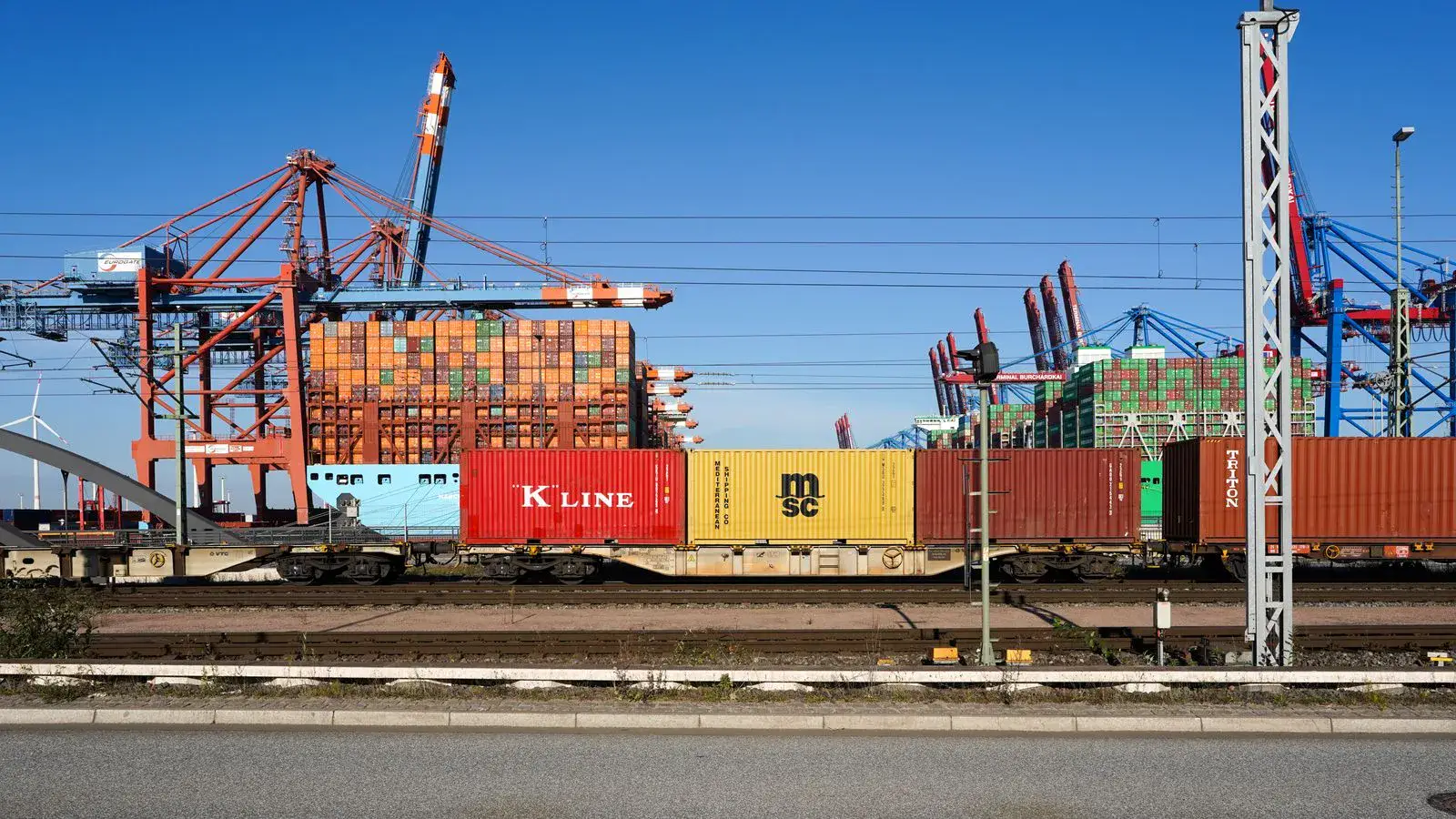
Typical sea freight routes for shipping kratom from Indonesia to Europe commence from key ports such as Benoa (Bali) and Tanjung Priok (Jakarta). From Benoa, shipments often head toward major European ports like Rotterdam, Hamburg, and Antwerp, covering approximately 11,000 nautical miles. The journey can take anywhere from 30 to 45 days, depending on the shipping line and route taken.

For air freight, Jakarta serves as the primary hub, where kratom is flown directly to major EU airports like Frankfurt and Amsterdam. Air freight is significantly faster, typically taking 3 to 5 days, but costs can range from $5 to $10 per kilogram, compared to sea freight, which is often around $1 to $3 per kilogram, depending on volume and weight. This price disparity plays a critical role in deciding the mode of transport, especially for urgent orders.

How do transit times and costs differ between Bali, Jakarta, and Surabaya exports?

Transit times and costs for exporting kratom vary significantly between Bali, Jakarta, and Surabaya. From Bali, sea freight to Europe typically takes about 30 to 45 days, with costs averaging $1,000 to $2,000 per container, depending on the shipping line and port of destination. In contrast, Jakarta, being a larger hub, can offer more frequent shipping schedules, potentially reducing transit times to 20 to 40 days at similar costs.

Surabaya, located on the island of Java, also plays a pivotal role in kratom exports. Shipments from Surabaya to Europe may take around 25 to 35 days at comparable pricing to Bali. However, the frequency of sailings may be less, affecting the overall logistics planning. When considering air freight, Jakarta is the most efficient option, reducing transport times significantly but increasing costs, which can reach $5 to $10 per kilogram.

What packaging and container considerations apply to bulk kratom shipments?

Packaging for bulk kratom shipments is vital to ensure product integrity during transit. Common practices include using moisture-proof, airtight bags for the kratom powder, minimizing exposure to humidity and contaminants. Typically, these bags are packed into 20-foot or 40-foot containers, with a maximum load capacity of about 28,000 kg for a 40-foot container.

It’s essential to adhere to international shipping standards, including proper labeling and compliance with European Union regulations regarding botanical products. Adequate cushioning is also crucial to prevent damage during transit. Notably, many exporters use palletized shipments to optimize space and ensure stability during transport.

Legal Considerations for Kratom Export to Europe

Before shipping kratom to Europe, it is essential to understand the legal status of kratom in the destination countries. In many European nations, kratom is legal to import and sell, but regulations may vary. Countries like the Netherlands and Germany have relatively relaxed laws, while others may impose restrictions or bans.

It’s crucial for exporters to stay updated on the European Union’s evolving regulations concerning herbal products, ensuring that all shipments comply to avoid legal complications. Certification of origin and quality assurance can further facilitate smoother customs processes, aiding in the successful entry of kratom into European markets.

For more detailed information on Indonesia’s export regulations, refer to the [Ministry of Trade of the Republic of Indonesia](http://www.kemendag.go.id).

Conclusion

Shipping kratom from Indonesia to Europe is a comprehensive process that requires careful consideration of logistics, costs, and legal requirements. Understanding Incoterms, selecting appropriate shipping routes, and adhering to packaging standards are paramount for successful kratom export. For detailed guidance and planning, contact the team at [Bali Kratom Export](https://bali.kratomexport.com/contact/).

💬