Understanding bali kratom export regulations in 2024
- Compliance with EU novel food regulations.
- Adherence to Good Manufacturing Practices (GMP) for quality assurance.
- Documentation requirements for B2B transactions.
As the sun rises over the lush landscapes of Bali, the air fills with the rich aroma of the kratom tree, whose leaves are at the center of a complex of export regulations. In 2024, the dynamics of the Bali kratom export industry are more intricate than ever, shaped by evolving legal frameworks, sustainability concerns, and the growing demand in Europe. This year marks a pivotal point for European B2B buyers looking to navigate the landscape of Indonesian kratom exports, with regulations that are both stringent and vital for sustainable trade.
The Regulatory Framework for Bali Kratom Export
In 2024, Bali kratom export regulations are influenced by both Indonesian law and European Union directives. Indonesia, as the primary exporter of kratom, has instituted guidelines to ensure the quality and safety of its products. This includes compliance with the Ministry of Trade’s regulations regarding the export of agricultural products, including kratom (Mitragyna speciosa). Additionally, exporters must familiarize themselves with the EU’s novel food regulations, which govern the import and marketing of new food products within the member states.
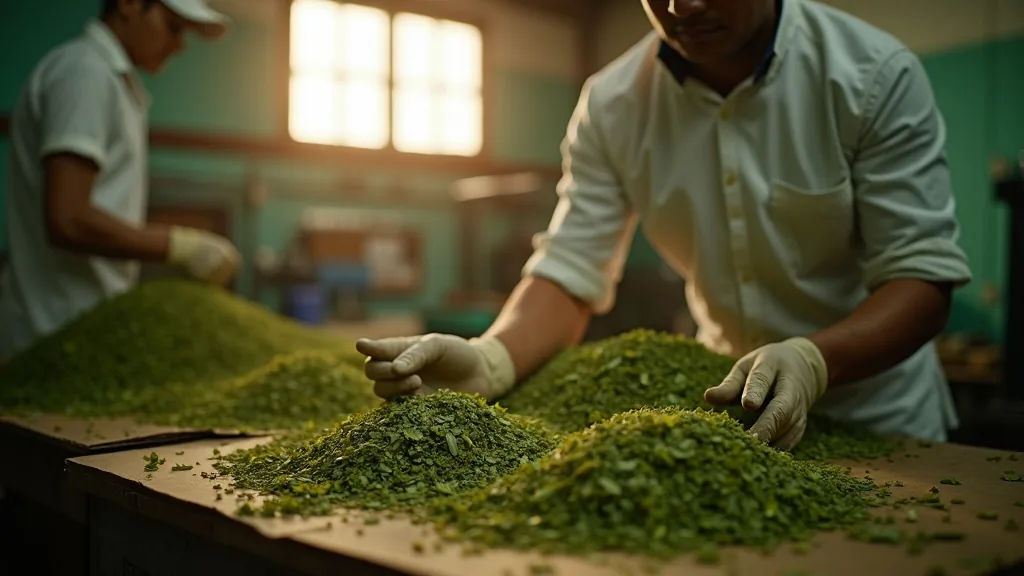
Exporters are required to provide comprehensive documentation, including certificates of origin and phytosanitary certificates, to ensure that their products meet the necessary health and safety standards. The incorporation of Good Manufacturing Practices (GMP) is crucial, ensuring that all kratom is processed in facilities that adhere to strict hygiene and quality control measures. This not only boosts consumer confidence but also positions Indonesian kratom favorably in the European market.
EU Novel Food Regulations and Their Impact
The EU’s novel food regulations, which underwent a significant revision in 2021, play a crucial role in shaping the Bali kratom export landscape. Under these regulations, kratom is classified as a novel food due to its unique properties and historical lack of consumption in the EU prior to May 1997. As a result, any kratom imported into the EU must undergo a rigorous assessment process to ensure safety and compliance.
For B2B buyers, understanding these regulations is essential. They must ensure that their suppliers are fully compliant with the necessary lab testing and quality assurance protocols. The European Food Safety Authority (EFSA) outlines specific requirements for novel foods, including toxicological assessments and the establishment of safe levels for alkaloids present in kratom. This not only ensures consumer safety but also protects the integrity of the kratom market in Europe.
Compliance Documentation for Exporters
Compliance documentation is a cornerstone of the Bali kratom export process. Exporters must compile a robust set of documents to facilitate smooth transactions and ensure adherence to both Indonesian and EU regulations. Key documents include:
- Certificate of Origin: Validates the product’s origin and assures buyers of its authenticity.
- Phytosanitary Certificate: Confirms that the kratom has been inspected and is free from harmful pests and diseases.
- GMP Certification: Demonstrates that the kratom was produced following established manufacturing practices.
These documents must be meticulously prepared and presented during the export process. Any discrepancies can lead to delays, financial losses, and a damaged reputation in the competitive kratom market. Therefore, maintaining a well-organized compliance framework is essential for success in the Bali kratom export industry.
Quality Assurance: Lab Testing and Standards
Quality assurance is non-negotiable in the kratom export sector. It encompasses rigorous lab testing to ensure the safety and efficacy of the product. In 2024, exporters must adhere to stringent testing protocols that evaluate alkaloid content, heavy metal presence, and microbial contamination. This is crucial not only for compliance with EU regulations but also for building trust with B2B buyers.
Testing for alkaloids, such as mitragynine and 7-hydroxymitragynine, is critical as these compounds are responsible for kratom’s effects. Heavy metal testing is equally important, particularly given the environmental challenges in some kratom-growing regions. Regular testing by accredited laboratories provides assurance that products meet safety standards and helps mitigate risks associated with heavy metal contamination.
Exporters should also stay informed about the evolving landscape of quality standards. Developing a relationship with reliable testing facilities and ensuring consistent quality control processes can significantly enhance marketability in Europe.
Sustainable Sourcing and Ethical Practices
As global awareness of sustainability increases, ethical sourcing of kratom has become a focal point for exporters. In Bali and the broader West Kalimantan region, sustainable practices are essential not only for environmental conservation but also for the long-term viability of the kratom industry. This involves responsible harvesting methods that protect local ecosystems and support the livelihoods of local farmers.
Exporters are encouraged to implement sustainable sourcing policies that prioritize environmentally friendly practices. This includes monitoring the impact of kratom harvesting on local flora and fauna and ensuring that harvesting methods do not deplete natural resources. By aligning with sustainable practices, exporters can better appeal to the growing segment of European buyers who prioritize ethical sourcing.
Logistics and Incoterms for Kratom Export
Effective logistics management is a vital component of the Bali kratom export process. Understanding Incoterms (International Commercial Terms) is essential for B2B transactions, as they define the responsibilities of buyers and sellers in international shipping. In 2024, common Incoterms used in kratom export include FOB (Free on Board), CIF (Cost, Insurance, and Freight), and DDP (Delivered Duty Paid).
Each term has distinct implications for cost, risk, and responsibility. For instance, under FOB, the seller is responsible for delivering goods to the port, while the buyer assumes responsibility for the shipment once it is on board the vessel. Exporters must clearly communicate these terms to avoid misunderstandings and ensure efficient transportation of kratom to European markets.
Additionally, partnering with experienced logistics providers who understand the unique challenges of kratom export can streamline the shipping process. This not only reduces transit times but also minimizes the risk of regulatory issues upon arrival in the destination country.
Quick FAQ
What are the key regulations for Bali kratom export in 2024?
Key regulations include compliance with Indonesian export laws, adherence to EU novel food regulations, and fulfillment of GMP requirements.
How can exporters ensure compliance with EU regulations?
Exporters can ensure compliance by obtaining necessary certifications, conducting regular lab testing, and maintaining comprehensive documentation.
What is the importance of sustainable sourcing in kratom export?
Sustainable sourcing protects local ecosystems, supports farmers, and meets the growing demand for ethically sourced products among European buyers.
What logistics considerations should exporters keep in mind?
Exporters should understand Incoterms, partner with reliable logistics providers, and ensure efficient transport to minimize delays and regulatory issues.
As the Bali kratom export landscape continues to evolve, staying informed about regulatory changes and industry best practices is essential for B2B buyers. By complexities of the Bali kratom export regulations in 2024, businesses can position themselves for success in the competitive European market. For more information about kratom export process, visit The Definitive Bali Kratom Export Guide or explore our Bali Kratom Export Pricing & Cost Guide.
To stay ahead in the kratom market and ensure compliance with Bali kratom export regulations, connect with Bali Kratom Export for expert insights and support in your export endeavors.
Planning specifics? See compare packages or compliance documentation for indonesian kratom exports what eu.