Overview of Bali kratom export dynamics for European B2B buyers
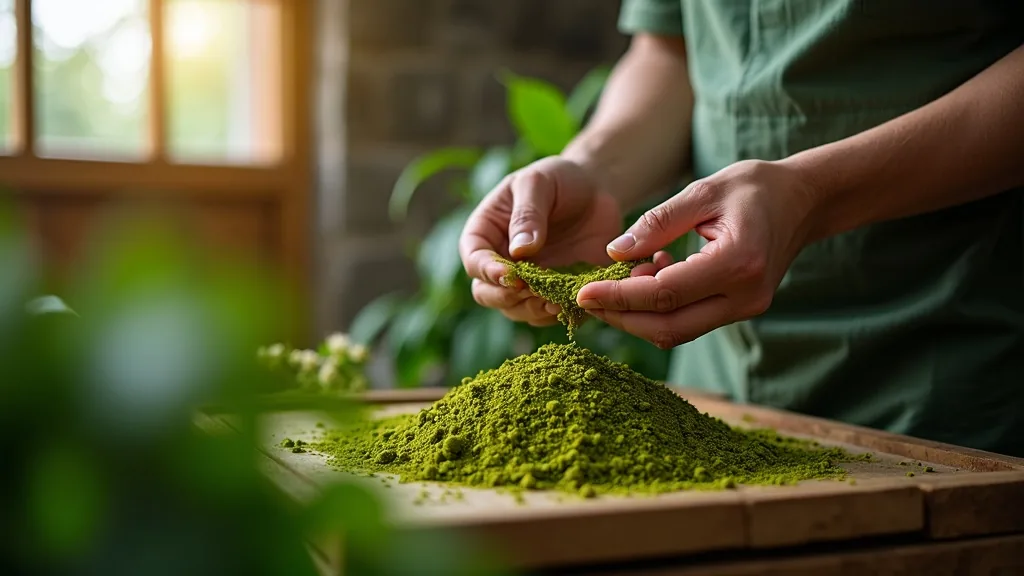
Overview of Bali Kratom Export Dynamics for European B2B Buyers
The kratom industry, particularly in Bali and West Kalimantan, Indonesia, is a growing sector attracting European B2B buyers. This post provides an overview of the export dynamics for kratom, focusing on regulatory frameworks, quality standards, and logistical considerations.
Indonesian Export Regulations
Indonesia has a complex regulatory environment governing the export of kratom (Mitragyna speciosa). As of 2024, the government is expected to enforce stricter regulations to ensure quality and sustainability in kratom production and export. Key aspects of these regulations include:
- Licensing requirements for producers and exporters.
- Compliance with international quality standards, including GMP (Good Manufacturing Practices).
- Documentation necessary for export, including certificates of origin and health certifications.
Understanding these regulations is crucial for European buyers looking to source kratom from Indonesia. The timeline for implementing these policies is projected from 2024 to 2026, enabling buyers to adapt their sourcing strategies accordingly.
EU Novel Food Legislation
The European Union classifies kratom as a novel food, which requires specific compliance measures for importation and sale within EU member states. As of now, kratom is not authorized for food use, but businesses must stay informed about ongoing discussions and potential changes in legislation. Key considerations include:
- Regular updates from the European Food Safety Authority (EFSA) regarding kratom’s status.
- Member state regulations may vary; some countries may have stricter controls than others.
- Documentation required for compliance with EU novel food regulations.
It is essential for B2B buyers to monitor these developments closely, as they could impact the availability and legality of kratom in different EU markets.
Quality Assurance: GMP Processing and Lab Testing
Quality assurance is a critical component of the kratom export process. European buyers are increasingly demanding high-quality products that meet stringent safety and efficacy standards. The following practices are essential in ensuring product quality:
- GMP Processing: Adhering to Good Manufacturing Practices ensures that kratom is processed in a clean and controlled environment. For more on GMP grade processing, see our guide on gmp grade processing for indonesian kratom expectations of european.
- Lab Testing: Regular lab testing for alkaloid content, heavy metals, and microbial contamination is crucial. Tests should be conducted by certified laboratories to ensure compliance with EU safety standards.
- Quality Grades: Kratom is often categorized into different grades based on its alkaloid profile and purity. Buyers should understand these grades to make informed purchasing decisions.
Sustainable Sourcing from West Kalimantan
In addition to regulatory compliance and quality assurance, sustainable sourcing is becoming increasingly important for European buyers. West Kalimantan is known for its rich kratom resources, and sourcing from this region can be both ethical and sustainable. Key factors to consider include:
- Supporting local farmers and communities through fair trade practices.
- Ensuring environmentally friendly harvesting methods to preserve kratom ecosystems.
- Traceability of kratom products to guarantee sustainable practices throughout the supply chain.
By prioritizing sustainable sourcing, European buyers can enhance their brand reputation and meet the growing consumer demand for ethically sourced products.
Logistics and Incoterms
Logistics plays a vital role in the export of kratom from Indonesia to Europe. Understanding the logistics framework, including shipping methods and Incoterms, is essential for smooth transactions. Key logistics considerations include:
- Shipping Methods: Common shipping methods include air freight for smaller quantities and sea freight for bulk orders. Each method has its own cost and time implications.
- Incoterms: These international commercial terms define the responsibilities of buyers and sellers in the shipping process. Common terms include FOB (Free on Board) and CIF (Cost, Insurance, and Freight), which dictate who pays for shipping and insurance.
- Customs Clearance: Proper documentation and compliance with customs regulations are critical to avoid delays and additional costs during transit.
Compliance Documentation
Compliance documentation is vital for ensuring the legal importation of kratom into European markets. Key documents that B2B buyers should be aware of include:
- Certificates of Origin: Verifying the source of the kratom to comply with trade agreements.
- Health Certifications: Confirming that kratom meets safety standards for importation into the EU.
- Quality Assurance Certificates: Providing evidence of testing and adherence to GMP standards.
Ensuring that all necessary documentation is in order will facilitate smoother transactions and mitigate the risk of legal issues during the import process.
Conclusion
As the demand for kratom continues to grow in Europe, understanding the intricacies of Bali kratom export dynamics is essential for B2B buyers. By staying informed about Indonesian export regulations, EU novel food legislation, quality assurance practices, sustainable sourcing, logistics, and compliance documentation, buyers can effectively navigate the kratom market and make informed purchasing decisions.
As the industry evolves, staying abreast of changes in regulations and market dynamics will be crucial for maintaining a competitive edge in the European kratom market.
Planning specifics? See Bali Kratom Export or compare packages.